Understanding Sustainable Fashion Practices
What is Sustainable Fashion?
Sustainable fashion refers to an approach that considers the entire lifecycle of clothing and accessories. It prioritizes the environmental, social, and economic impacts of production, advocating for practices that minimize harm to the planet and promote ethical treatment of workers. Fashion sustainability encompasses various concepts, including ethical sourcing, the use of organic and recycled materials, and transparent supply chains. Importantly, sustainable fashion is not just a trend; it’s a movement aimed at creating a responsible and mindful fashion industry.
The Importance of Natural Materials
Natural materials play a critical role in sustainable fashion. They tend to be biodegradable and produced without harmful chemicals, making them less detrimental to the environment. Fabrics such as organic cotton, linen, hemp, and modal are often favored because they require fewer resources such as water and energy for production. They are also softer and more breathable, enhancing the wearer’s comfort. Utilizing natural materials also helps to preserve biodiversity and reduce pollution, making them an essential choice in sustainable apparel.
How to Identify Ethical Brands
Consumers looking to support sustainable and ethical brands should focus on a few key factors. First, examine the brand’s commitment to transparency regarding its sourcing practices. Brands that openly discuss their supply chains and labor practices are often more trustworthy. Additionally, look for certifications such as Fair Trade, GOTS (Global Organic Textile Standard), and OEKO-TEX. These signify adherence to specific environmental or social standards. Finally, consider the brand’s overall mission and priorities, which can often provide insight into its genuine commitment to sustainable practices.
Handcrafted Techniques: Why They’re Essential
The Art of Knitting and Weaving
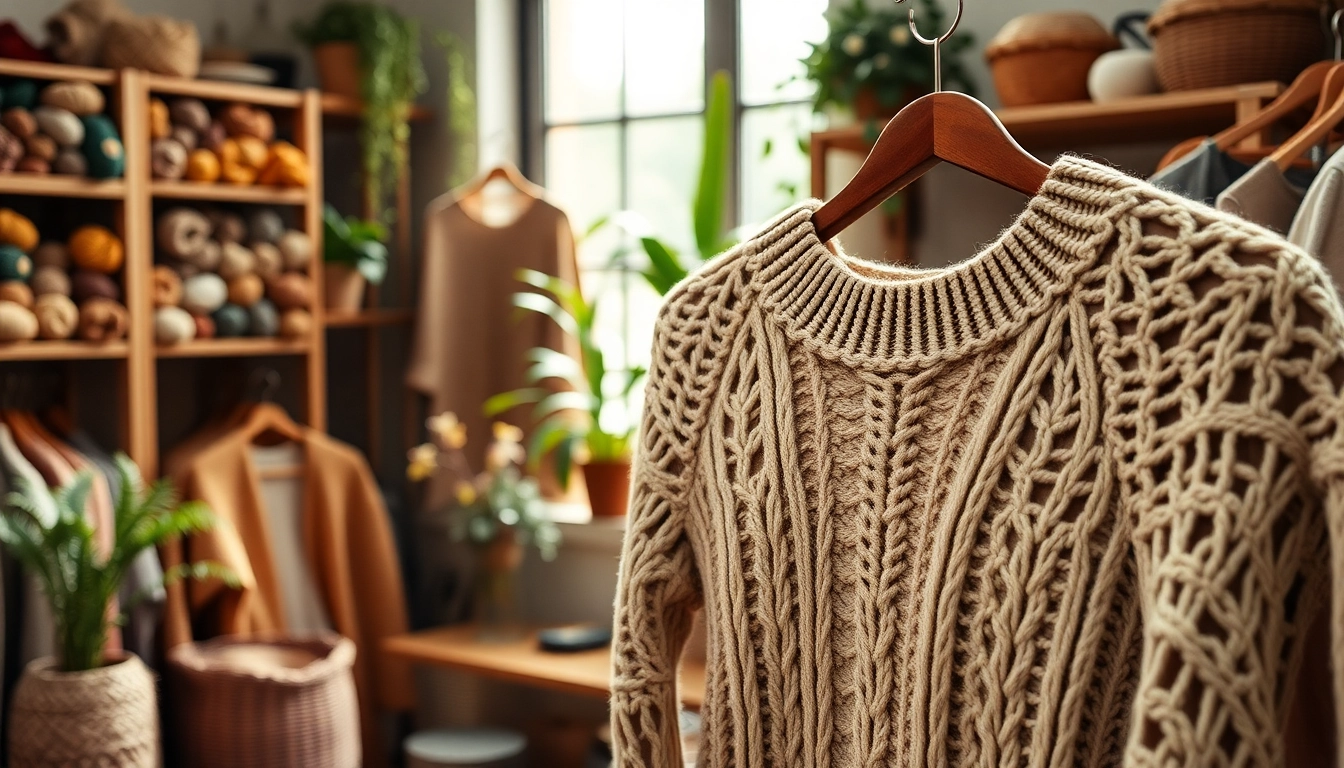
Handcrafting techniques, such as knitting and weaving, are not merely traditional practices but also embody the values of sustainable fashion. These methods allow artisans to create unique pieces that often transcend mass-produced garments in both quality and character. Handcrafted items typically involve a significant amount of time and skill, which often leads to higher-quality materials being used. The artistic expression through these techniques ensures that each piece is not only functional but also a work of art.
Benefits of Handcrafting in Fashion
There are numerous benefits to supporting handcrafted fashion. For one, it nurtures local economies and helps maintain traditional skills that might otherwise be lost to industrial production methods. Additionally, handcrafted garments tend to have a lower environmental footprint, as they are often made in small batches and with sustainable materials. The connection between the artisan and the consumer fosters a deeper appreciation for clothing, as wearers understand the story and effort behind each piece. These garments often carry a greater sentimental value compared to mass-produced items.
Supporting Artisans Through Your Choices
When consumers choose to support artisan-made products, they contribute directly to the livelihoods of skilled craftspeople facing challenges in the modern economy. Buying directly from artisans or brands that prioritize handmade items encourages sustainable practices and helps avoid exploitative labor conditions. Many organizations promote fair wages and ethical practices in the artisanal fashion industry, ensuring that the artisans can thrive and continue their craft. This conscious choice allows consumers to become part of a more ethical supply chain.
Exploring the Ound Collection
Key Features of Ound’s Products
The collections available at https://www.ound-ound.com showcase an exquisite blend of sustainability and aesthetics. Key features include the use of 100% natural materials, hand-dyed textiles, and artisanal craftsmanship. Each item is designed with both functionality and beauty in mind, reflecting a commitment to preserving traditional textile techniques while also offering contemporary styles. The unique colors and textures result from natural dyeing processes that respect and honor the planet.
Seasonal Trends in Sustainable Fashion
Sustainable fashion is characterized by timelessness rather than fast-paced trends. However, each season introduces new styles and innovations that embrace sustainability. Seasonal trends often focus on versatility and layering, allowing pieces to be worn in multiple ways. For example, lightweight knits can transition seamlessly from cool to warm weather. Additionally, colors derived from natural dyes tend to be soft and muted, embodying the essence of nature. Keeping abreast of seasonal trends can help consumers make informed purchases that align with their sustainable values.
Styling Tips for Luxury Knits and Essentials
Luxury knits and essential garments can be styled in numerous ways to create chic and sustainable looks. For a sophisticated office outfit, pair a finely knitted sweater with tailored trousers or a pencil skirt. For casual outings, layering a cardigan over a simple tee and jeans creates a relaxed yet put-together appearance. Accessories such as scarves and handcrafted jewelry can elevate any outfit while showcasing the artisanal work behind them. Emphasizing quality over quantity allows for a curated wardrobe that supports sustainable practices.
Caring for Your Sustainable Garments
Washing and Maintenance Best Practices
Proper care for sustainable garments is vital for ensuring their durability and longevity. It is advisable to wash clothes in cold water, as this is more energy-efficient and gentler on fabric. Using mild, eco-friendly detergents helps prevent harmful chemicals from entering waterways. Furthermore, air drying instead of using a dryer can save energy and preserve the shape and texture of the garments. By following these practices, consumers can extend the life of their clothing while minimizing their environmental impact.
Repairing and Upcycling Your Clothing
Repairing and upcycling clothing is essential for building a more sustainable wardrobe. Small repairs, such as sewing loose buttons or patching holes, can significantly extend the life of a garment. Upcycling involves creatively transforming old or worn clothing into new and usable items, whether it’s turning a dress into a bag or refashioning a sweater into a cozy throw. This not only reduces waste but also allows individuals to express their creativity and personal style.
Maximizing Longevity of Natural Textiles
To maximize the longevity of natural textiles, it’s essential to follow specific care procedures. Storing garments in a cool, dry place can prevent damage from humidity and pests. Avoiding direct sun exposure during storage can help in retaining the natural colors of fabrics. Additionally, rotating clothing regularly helps ensure that no single item becomes overly worn over time. Incorporating these methods not only lengthens the life of garments but also reduces the need for future purchases, aligning with sustainable fashion principles.
Community Impact of Sustainable Fashion
How Shopping Affects Local Economies
Shopping sustainably has a positive ripple effect on local economies. When consumers prioritize purchasing from local artisans and ethical brands, they help maintain the livelihoods of those within their community. This practice fosters economic resilience as money circulates locally instead of flowing to corporate conglomerates. Moreover, supporting local artisans leads to the preservation of traditional crafts and cultures, which are integral to a community’s identity and heritage.
Environmental Benefits of Choosing Sustainable Fashion
The environmental benefits of choosing sustainable fashion are profound. By opting for responsibly made garments, consumers can help reduce pollution, conserve water, and lower carbon emissions. The fashion industry is one of the largest contributors to environmental degradation; however, sustainable practices can mitigate many of these impacts. Investing in high-quality pieces that last longer and are made from sustainable materials helps lessen the collective strain on the planet.
Joining the Movement: Ways to Get Involved
Joining the sustainable fashion movement can be as simple as making conscious choices at the point of purchase. Engaging with local artisan markets, participating in clothing swaps, and promoting awareness through social media can amplify the message of sustainability. Individuals can also advocate for change by supporting legislation that promotes ethical labor practices and environmental protection in fashion. Every small action contributes to a larger cause, working toward a more sustainable and equitable fashion industry.