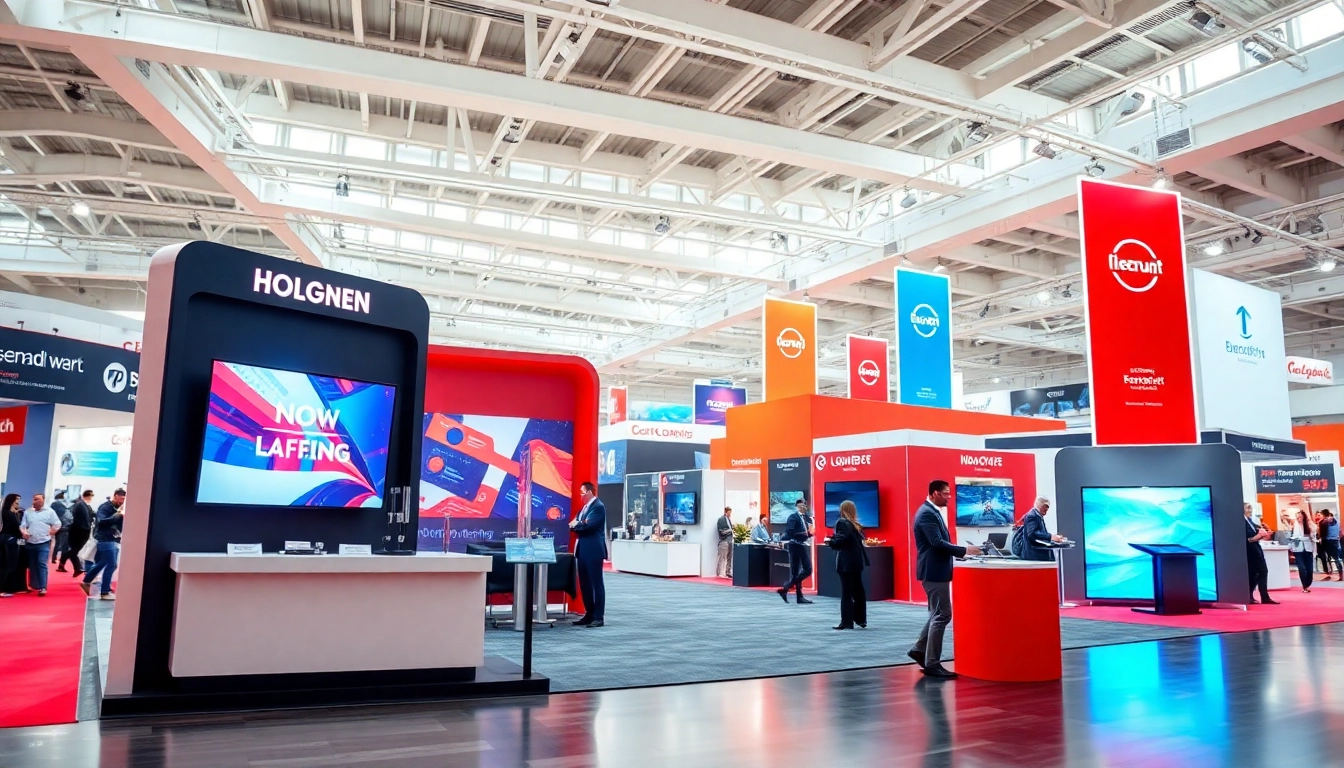
Understanding the Importance of a Trade Show Booth
In the competitive landscape of business, a trade show booth serves as a vital platform for companies to showcase their products and services. It acts as the point of interaction between brands and potential customers, making it necessary for businesses to invest time and resources into creating an impactful experience. The significance of a trade show booth extends beyond mere visibility; it is a strategic tool that can drive sales, build brand loyalty, and foster professional relationships.
What Makes a Trade Show Booth Effective?
An effective trade show booth combines aesthetics, functionality, and strategic messaging. Firstly, the design should capture attention immediately, drawing visitors in among the plethora of competing displays. Utilizing bold color schemes, engaging graphics, and multimedia elements can help create a distinctive presence. Furthermore, the layout should facilitate easy navigation, ensuring that visitors can engage with products and staff effortlessly.
Additionally, effective booths often incorporate interactive elements to engage visitors—this might include demonstrations, touch screens, or virtual reality experiences that create memorable engagements. These elements not only entertain but also encourage deeper interactions, enabling brands to convey their value propositions more effectively.
Key Objectives for Your Exhibit
To measure the effectiveness of a trade show booth, businesses must establish clear objectives prior to the event. Common objectives include:
- Lead Generation: Aim to capture contact information from potential customers for follow-up after the event.
- Brand Awareness: Enhance brand visibility within the industry through creative presentations and unique engagements.
- Building Relationships: Use face-to-face interactions to foster connections with existing customers and establish rapport with new prospects.
- Market Research: Gather insights on industry trends and customer preferences through direct conversations and feedback.
How Trade Show Booths Influence Brand Perception
The design and professionalism of a trade show booth have a significant impact on brand perception. A well-designed booth signals quality and reliability, fostering trust among potential customers. Conversely, an uninspired or poorly executed booth may lead to negative impressions and missed opportunities.
Moreover, participating in trade shows indicates that a company is active and invested in its industry, contributing to a positive reputation. The professionalism exhibited at the booth, including knowledgeable staff members, can also enhance the brand’s authority in the market. Thus, careful considerations regarding design, messaging, and staff training play a pivotal role in shaping the audience’s perception during these crucial interactions.
Design Elements of an Engaging Trade Show Booth
Color Schemes and Graphics that Attract Attention
The visual appeal of a trade show booth is often the first point of engagement for attendees. Carefully selected color schemes can evoke emotions and prompt action. For instance, vibrant colors can convey energy and enthusiasm, while cooler tones may elicit calmness and professionalism.
Graphics play a critical role as well; high-quality images and bold text can effectively communicate key messages even from a distance. It is essential to ensure that the graphics are not cluttered, employing whitespace effectively to maintain clarity. The choice of visuals should align with the overall branding strategy to foster recognition.
Utilizing Space Efficiently in Your Trade Show Booth
Space management is crucial in a trade show booth, especially in scenarios where exhibitors have limited square footage. A compelling layout should encourage flow and interaction, making the best use of the given area. Factors to consider include:
- Open Layout: Avoid barriers that may obstruct flow. Create an open design that invites attendees in, allowing them to explore the booth freely.
- Zones for Interaction: Designate areas for different activities such as product demonstrations, discussions, and lead capture to give visitors clear paths and reasons to engage.
- Storage Solutions: Incorporate hidden storage solutions to keep the booth decluttered, ensuring that the focus remains on the products and branding.
Incorporating Interactive Technology
In today’s digital world, incorporating technology into trade show booths has become essential. Interactive elements, such as touchscreen displays and augmented reality experiences, can enhance visitor engagement significantly. These technologies allow potential customers to explore products in a hands-on manner, which not only draws attention but also provides them with a memorable experience.
Moreover, providing mobile charging stations or interactive games can attract crowds, offering companies a chance to engage visitors while collecting leads through gamification strategies. The tech-savvy audience at trade shows appreciates innovative presentations and is more likely to remember brands that utilize them.
Common Mistakes to Avoid in Trade Show Booth Planning
Overlooking Your Target Audience
One of the most significant pitfalls in trade show booth planning is failing to consider the target audience. Understanding the demographics, interests, and pain points of attendees can shape messaging, design, and engagement strategies effectively. Without this understanding, a booth may fail to resonate with the very audience that it aims to attract.
Thorough pre-event research, including surveying past attendees and analyzing market trends, can inform decisions on everything from product placement to the type of promotional materials offered. It’s essential to tailor every element to appeal directly to the audience’s preferences and needs.
Ignoring Logistics and Setup Challenges
Logistical planning is an often-overlooked aspect of trade show booths. Delays in shipment, poor setup, or inadequate staffing can significantly hinder the success of a booth. It is crucial to establish a detailed plan that includes timelines for setup, transportation, and breakdown to avoid any last-minute issues that could affect performance.
Additionally, reviewing all necessary equipment and supplies well in advance ensures that the booth is complete and fully operational when the show opens. Coordination with venue managers and understanding the overall layout of the event can help streamline the setup process and mitigate potential challenges.
Neglecting Post-Event Follow-Up Strategies
Many exhibitors make the mistake of overlooking the significance of post-event follow-up. Engaging with leads acquired during the event is a crucial step that can determine the return on investment (ROI) from the trade show. A lack of timely follow-up can lead to lost opportunities and diminished brand perception.
Implementing a structured follow-up strategy that includes personalized emails, phone calls, or social media connections can help convert leads into loyal customers. Establishing a system for tracking interactions and engagements can also streamline the process, helping companies gauge the effectiveness of their trade show presence over time.
Measuring Success: Metrics for Trade Show Booth Performance
Defining Key Performance Indicators (KPIs)
Measuring the success of a trade show booth is essential to understanding its impact and determining areas for improvement. Establishing Key Performance Indicators (KPIs) allows businesses to evaluate the effectiveness of their efforts based on specific, quantifiable metrics. Common KPIs include:
- Number of leads generated.
- Engagement rates measured through participation in demonstrations or activities.
- Brand visibility metrics, such as social media mentions and interactions during the event.
- Sales conversions that occur as a result of the trade show engagement.
Regularly reviewing and adjusting these KPIs based on event analytics can improve the effectiveness of future trade show strategies.
Using Surveys and Feedback for Improvement
Surveys conducted at the booth can be a valuable tool for gaining insights into visitor perceptions and experiences. Feedback forms can offer immediate data regarding what aspects of the booth were effective and what areas may require modification. This input can be gathered through various methods, such as:
- Digital surveys conducted on tablets or via mobile apps.
- Incentivized feedback through giveaways for completed surveys.
- Informal conversations with visitors at the booth to gather insights.
Analyzing this feedback allows for continuous improvements, ensuring that each future trade show is better than the last.
Analyzing Lead Generation and Conversion Rates
Ultimately, evaluating lead generation and conversion rates provides a clear picture of the trade show booth’s success. To do so, companies should track the journey of leads acquired during the event, from initial contact through to final sale. Implementing a CRM system can streamline this process by allowing businesses to categorize leads based on their level of interest and engagement.
Understanding conversion rates and timelines helps businesses identify how quickly they are able to turn a trade show opportunity into a tangible sale. This analysis can drive strategic decision-making and refine future presence at trade shows.
Innovative Trends in Trade Show Booth Design
Embracing Sustainability and Eco-Friendly Practices
In recent years, there has been an increased awareness surrounding sustainability in branding and marketing. Many businesses are now prioritizing eco-friendly materials and practices in their trade show booth designs. Strategies can include using recycled materials for displays, opting for digital graphics instead of printed ones, and ensuring that all promotional materials are sustainable.
Sustainable practices not only contribute to a healthier planet but also resonate well with eco-conscious consumers, enhancing brand loyalty. Incorporating these elements can position a brand as a socially responsible organization, appealing to a growing segment of environmentally aware customers.
The Rise of Virtual Trade Show Booths
As technology evolves, virtual trade showcases and online exhibitions have emerged as valid platforms, particularly in response to global challenges. Virtual booths can offer interactive experiences that replicate in-person engagements through features such as 3D displays and live chat functions.
Since this trend allows brands to reach a global audience without the constraints of physical attendance, it is an advantageous marketing strategy to consider. Developing a virtual presence requires a dedicated approach, ensuring that all online interactions maintain the same professionalism and engagement as physical events.
Leveraging Data and Analytics for Future Success
The future of successful trade show participation will increasingly rely on data-driven strategies. Collecting data from previous events—including attendee behavior, engagement metrics, and lead profiles—can provide valuable insights that inform design and strategy for upcoming shows.
Utilizing analytics tools helps in understanding patterns and trends that can drive decision-making. Predictive analytics can even enhance targeting efforts for more personalized marketing as brands move forward in their trade show initiatives, ensuring a sharper focus on activities that generate the most significant impact.