Understanding the Home Renovation Process
Home renovation can be a complex and rewarding journey, bringing new life to your living space. Whether you’re looking to refresh a single room or embark on a complete overhaul, understanding the key stages of the process is vital. With meticulous planning and the right approach, your vision can become a reality. However, many homeowners find the intricacies of renovation challenging. From setting a budget to navigating design choices, it’s worth being well-informed and prepared before diving into a project. In this comprehensive guide, we aim to clarify the Home renovation process, ensuring you have the knowledge and confidence to make informed decisions.
Key Stages of Home Renovation
The home renovation process can be broken down into several key stages. Each phase represents crucial aspects that need to be addressed for a successful renovation:
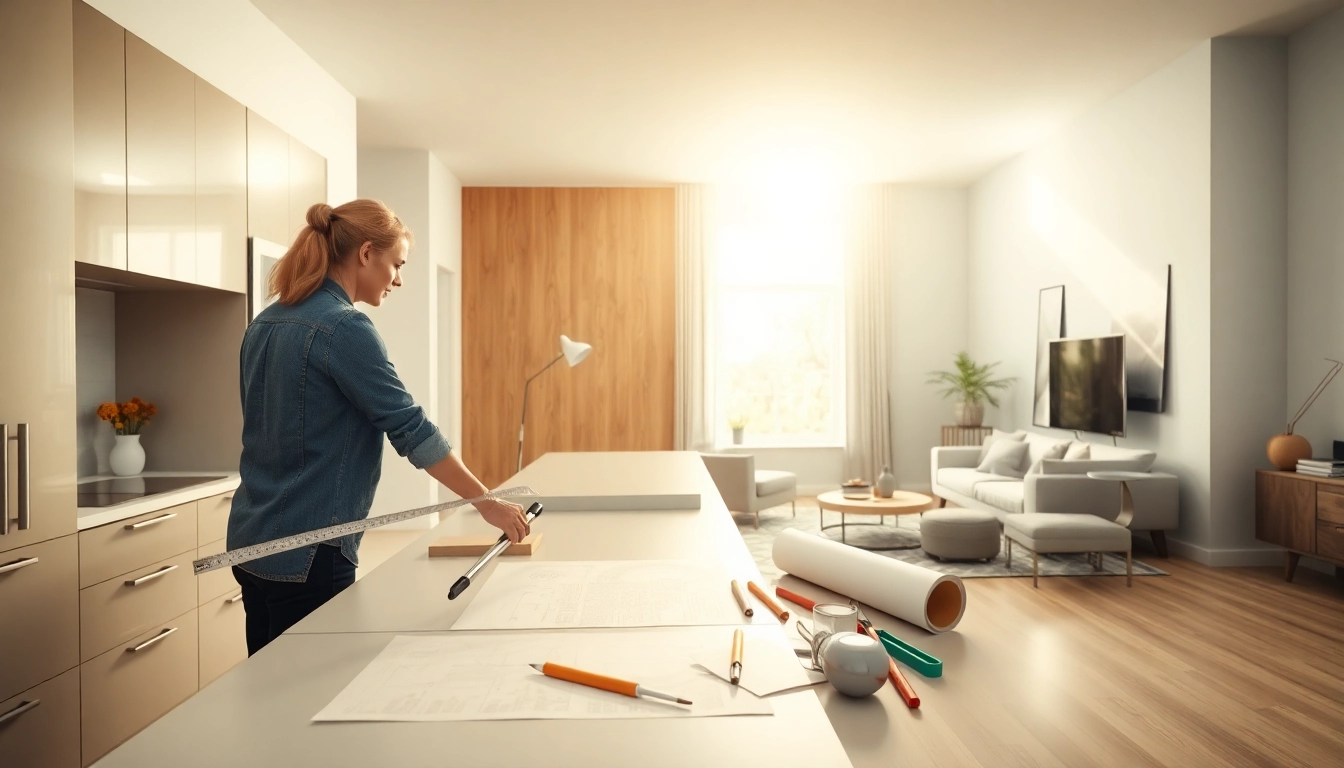
- Planning and Design: This first stage involves defining your renovation goals, aesthetics, and practical needs. Collaborating with professionals for design input can be beneficial.
- Budgeting: Assess your financial capacity and create a detailed budget that includes costs for materials, labor, and unexpected expenses.
- Permitting: Depending on the scale of your renovation, you may need to secure permits and adhere to local building codes.
- Execution: This is where the plans come to life through careful project management, scheduling, and coordination with contractors and suppliers.
- Review and Adaptation: Throughout the renovation, regular evaluations will help ensure the project stays on track and within budget.
Setting a Realistic Budget for Home Renovation
A clear budget is one of the cornerstones of any renovation project. Begin by determining how much you can realistically spend while accounting for various expenses:
- Materials: Allocate funds for quality materials based on your design ideas. Remember that some materials are worth the investment for longevity.
- Labor: Depending on your skill level, you may need to hire specialists. Costs can vary widely, so obtain multiple quotes.
- Permits and Fees: Research what permits are required in your area and include their costs in your budget.
- Contingency Fund: Set aside 10-20% of your total budget for unexpected costs that may arise during the renovation process.
By planning your budget carefully, you can avoid common pitfalls and set the stage for a smooth renovation experience.
Common Challenges in Home Renovation
Despite your best efforts, renovations often come with their fair share of challenges. Here are some common hurdles homeowners may face, along with strategies to tackle them:
- Unexpected Costs: Always anticipate the unexpected; even the best-laid plans can encounter surprises. Regularly review expenses against the budget to identify areas for cost savings.
- Project Delays: Delays can happen due to weather, supply issues, or contractor scheduling conflicts. Establish clear timelines and maintain open lines of communication with your team.
- Design Conflicts: Sometimes, a vision may clash with practical execution. Be flexible and open to alterations that may enhance functionality without sacrificing aesthetic appeal.
- Code Compliance: Failure to secure proper permits can lead to fines or having to redo work. Familiarize yourself with local codes and regulations before starting your project.
Planning Your Home Renovation Project
Effective planning is essential in ensuring a successful home renovation. This phase sets the groundwork for everything that follows and enhances your control over the end results.
Defining Your Vision and Goals for Home Renovation
Your vision will guide every decision you make during the renovation. Take time to consider what you want to achieve:
- Functional Needs: What is your primary purpose for the renovation? Are you expanding, improving aesthetic appeal, or enhancing functionality?
- Aesthetic Goals: Gather design ideas through mood boards or inspiration images to help articulate your vision clearly.
- Future Considerations: Think long term about how your needs may change in the future—whether that pertains to family size or lifestyle.
Selecting the Right Professionals for Home Renovation
Finding the right professionals can profoundly impact your renovation experience. Consider the following steps to ensure you make informed choices:
- Research: Look for specialists with good reviews, relevant experience, and competitive pricing.
- Interviews: Schedule consultations to discuss your project and gauge their understanding and enthusiasm for your vision.
- Check Credentials: Ensure that any contractors you consider are licensed, insured, and have positive references.
Importance of Permits in Home Renovation
Permits may seem like a hurdle, but they are critical for ensuring your renovation meets safety and building standards. Here’s why they matter:
- Legal Compliance: Permits assure that your renovations comply with local and national codes.
- Home Insurance: Most insurance companies require permits for significant renovations to ensure coverage during and after construction.
- Resale Value: Documented permits demonstrate that work was performed legally, enhancing the value and appeal of your home when selling.
Design Trends in Home Renovation
Staying updated with current design trends can enhance the functionality and aesthetic of your newly renovated space. Let’s explore some popular trends and innovations shaping the industry today.
Incorporating Sustainable Practices in Home Renovation
Sustainability is at the forefront of renovation discussions, with homeowners increasingly interested in eco-friendly practices:
- Energy Efficiency: Use energy-efficient appliances and fixtures to reduce energy consumption and lower bills.
- Sustainable Materials: Opt for reclaimed wood, bamboo flooring, and recycled materials that minimize ecological footprints.
- Water Conservation: Install low-flow fixtures and consider drought-resistant landscaping to conserve water.
Popular Styles for Home Renovation
Renovation styles reflect current aesthetics and often combine various elements for unique results. Some prevalent styles to consider include:
- Modern Minimalism: Emphasizes clean lines, functional spaces, and a monochromatic color palette.
- Rustic Farmhouse: Combines natural materials with vintage decor for a warm and inviting atmosphere.
- Industrial Chic: Fuses contemporary and industrial elements, showcasing raw materials like steel and concrete.
Maximizing Space in Home Renovation
Effective space management is crucial in renovations, especially in smaller homes:
- Open Floor Plans: Consider removing non-structural walls to create a more open and airy environment.
- Multi-functional Furniture: Choose furniture that serves multiple purposes, like sleeper sofas or expandable dining tables.
- Built-In Storage Solutions: Incorporate built-in shelving or cabinets to utilize vertical space and reduce clutter.
Execution of Home Renovation Plans
With a solid plan in place, it’s time to execute the renovation. Being organized and proactive throughout this stage is essential for a smooth process.
Scheduling Your Home Renovation Timeline
Establishing a realistic timeline can help manage expectations and keep the project on track:
- Set Milestones: Identify key milestones in your project, such as design approval, demolition, and final inspections.
- Contractor Availability: Ensure your chosen contractors are available and committed to your timeline.
- Adaptable Plans: Be prepared to adapt the schedule as needed, allowing for the typical hiccups that may occur in renovation projects.
Effective Communication with Contractors in Home Renovation
Open communication lines are essential during a renovation. Here are strategies to foster effective interactions:
- Regular Check-Ins: Schedule periodic meetings to discuss progress, address concerns, and adjust plans as needed.
- Clear Expectations: Communicate your vision, budget, and timelines clearly to avoid misunderstandings.
- Feedback Loops: Encourage feedback from contractors to facilitate problem-solving and improvements in real-time.
Quality Control During Home Renovation
Maintaining quality is paramount throughout every phase of your renovation project. Consider these quality control measures:
- Inspections: Perform regular site inspections to ensure workmanship aligns with your standards and specifications.
- Material Checks: Verify that materials delivered meet your quality criteria and specifications.
- Document Progress: Maintain records of progress through photos and notes to easily address potential issues with your contractor.
Post-Renovation: Aftercare and Maintenance
Once your renovation is complete, the focus shifts to maintaining and enjoying your newly upgraded space. This stage is equally important in preserving the quality and longevity of your renovation.
Evaluating Your Home Renovation Success
After the project is complete, take time to evaluate the renovation’s success through the following lenses:
- Functional Assessment: Does the space now meet your needs? Are there any aspects that require adjustment?
- Aesthetic Satisfaction: Reflect on whether the end results align with your initial vision and goals.
- Budget Analysis: Review your project costs relative to your initial budget and identify areas for future financial planning.
Routine Maintenance After Home Renovation
Maintaining your home post-renovation involves a series of proactive steps:
- Regular Upkeep: Follow a regular maintenance schedule, including checking plumbing, electrical systems, and HVAC.
- Seasonal Checks: Conduct seasonal assessments to ensure that renovations remain in shape year-round.
- Prompt Repairs: Address any wear and tear issues immediately to prevent them from escalating into larger problems.
Enhancing Home Value Post-Renovation
Finally, stay proactive about increasing your home’s value even after renovations are complete:
- Regular Updates: Stay abreast of home design trends and consider periodic updates to maintain market relevance.
- Curb Appeal: Invest in landscaping, new paint, and exterior upgrades to enhance your home’s first impression.
- Energy Efficiency Enhancements: Look into energy-efficient improvements, such as solar panels or smart-home technology, to increase long-term value.