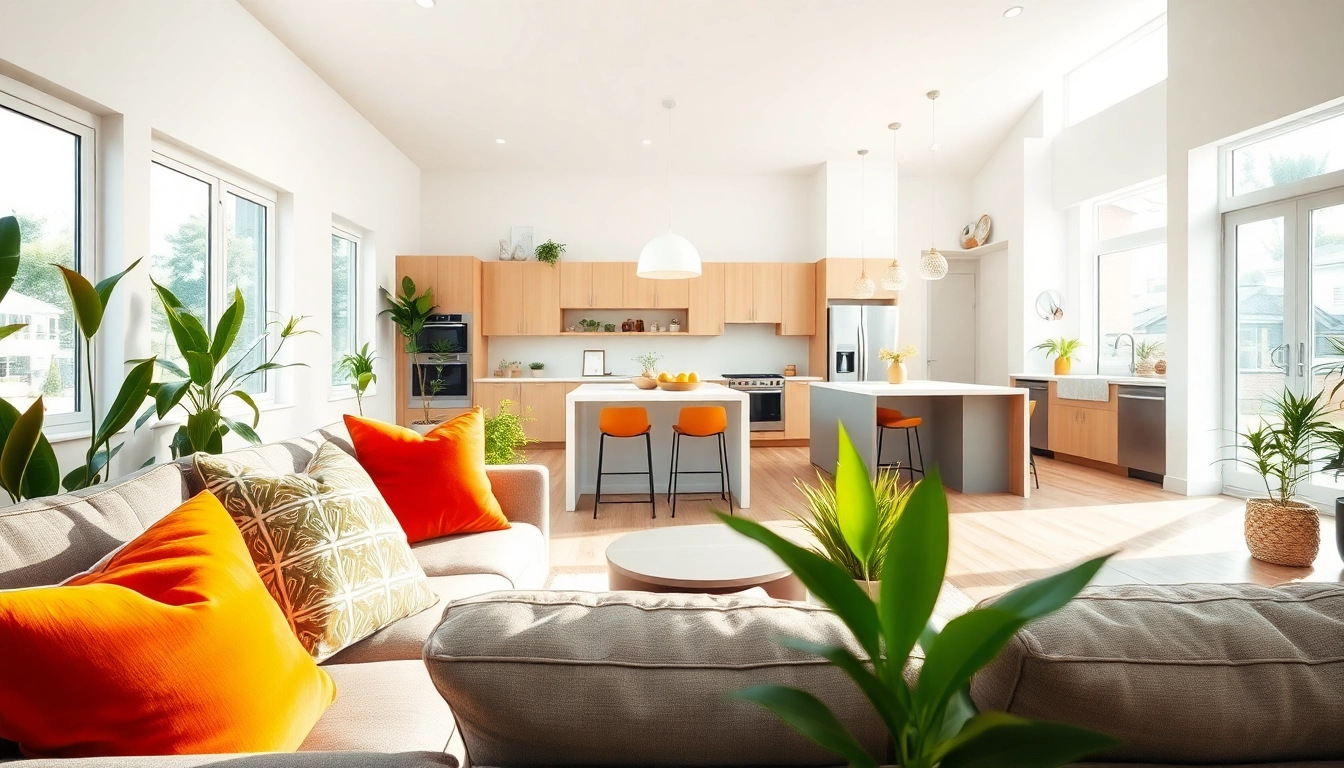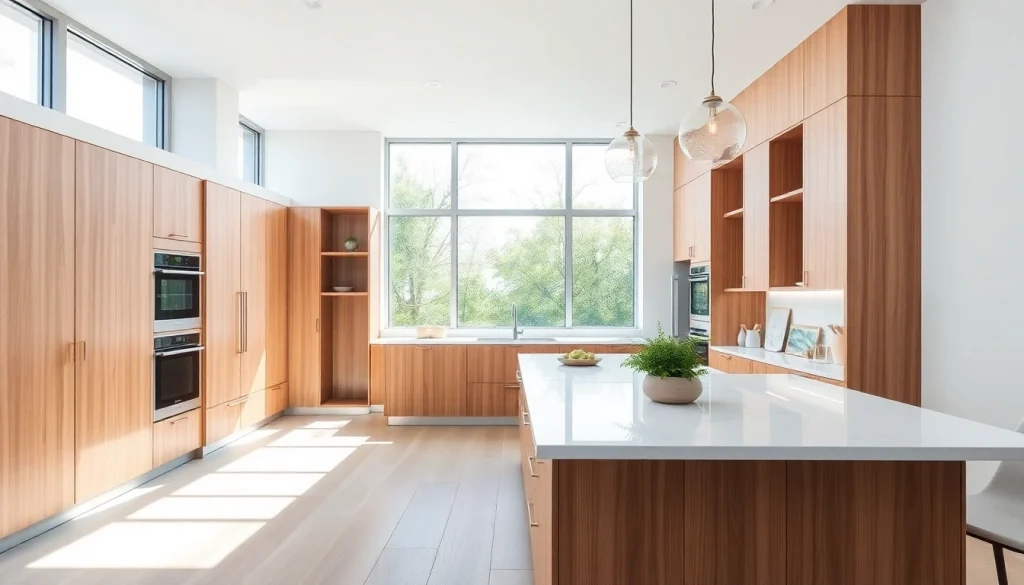
Understanding the Home Renovation Process
Embarking on a Home renovation project is a significant undertaking that can redefine your living space. Whether you aim to update the aesthetic appeal, improve functionality, or boost property value, understanding the renovation process is crucial. While the end goal may be to create a dream home, the road to that destination involves careful planning, execution, and management of resources.
Defining Your Goals for Home Renovation
The first step in any home renovation journey is to define clear and concise goals. Ask yourself what you hope to achieve with this renovation. Is it expanding a living area, modernizing a kitchen, or perhaps creating a more eco-friendly home? Clearly articulating these objectives will serve as a guiding star throughout the renovation process, ensuring that you remain focused on your priorities. Here are some common goals that homeowners might have:
- Increasing living space (e.g., adding rooms or extensions)
- Upgrading outdated design elements (kitchens, bathrooms, etc.)
- Enhancing energy efficiency (better insulation, energy-efficient appliances)
- Boosting the home’s market value (strategic updates that appeal to buyers)
- Creating a more functional layout that suits current lifestyle needs
Planning and Budgeting Essentials
After defining your renovation goals, the next step is to create a solid plan and budget. Assessing your financial capacity will help you understand what projects are feasible. Follow these steps for effective planning and budgeting:
- Set a Realistic Budget: Consider all potential costs, including materials, labor, permits, and unexpected expenses. A detailed budget will help you avoid overspending and keep the project within financial boundaries.
- Prioritize Projects: Assign priority levels to each part of your renovation. Not every area needs to be renovated at once, so identify what is essential versus what would be a luxury addition.
- Create a Timeline: Develop a timeline that outlines the expected duration of each phase. Understand that renovations can take time, and staying organized can promote smoother execution.
- Research Costs: Investigate costs by consulting with professionals, browsing through home improvement stores, and researching online resources.
Choosing the Right Professionals
Choosing the right professionals is pivotal to the success of your renovation. The type of renovation you’re undertaking may require various specialists, including contractors, architects, and interior designers. Here are some tips for selecting qualified professionals:
- Do Your Research: Gather recommendations from reliable sources, check online reviews, and ensure the professionals have the ideal experience for your project type.
- Interview Potential Candidates: Discuss your renovation goals with potential hires to see who aligns best with your vision. Ask about their experience, project schedules, and previous work examples.
- Check Credentials: Verify licenses, insurance, and any pertinent certifications. Qualified professionals should carry liability insurance to protect against accidents during the renovation.
Popular Home Renovation Trends
Renovation trends are constantly evolving as homeowners look for innovative solutions that enhance both aesthetics and functionality. Here are some of the current popular trends in home renovation:
Eco-Friendly Home Renovation Options
In recent years, there has been a notable shift toward eco-friendly renovation practices. Homeowners are increasingly motivated to make sustainable choices, emphasizing the importance of minimizing environmental impacts. Implementing eco-friendly options can include:
- Energy-efficient appliances: Selecting ENERGY STAR-rated appliances can significantly reduce energy consumption.
- Solar panels: Harnessing the power of the sun to generate electricity not only reduces reliance on conventional power sources but also lowers utility bills.
- Recycled materials: Opting for reclaimed wood or recycled materials can lessen environmental waste and add character to your home.
- Green insulation: Installing sustainable insulation materials, such as cellulose or fiberglass made from recycled products, helps in energy conservation.
Incorporating Smart Home Technologies
The integration of smart technology in home renovations is growing rapidly. Homeowners are increasingly drawn to features that enhance convenience, security, and energy efficiency. Consider incorporating the following smart technologies into your renovations:
- Smart thermostats: Devices such as smart thermostats allow homeowners to manage heating and cooling remotely, optimizing energy savings.
- Smart lighting: Wireless lighting controls can adjust brightness or color schemes based on time or activity, creating a customized ambiance.
- Home security systems: Modern security systems come equipped with smart cameras and remote monitoring capabilities, adding an extra layer of safety.
- Voice-activated home assistants: Integrating voice-controlled devices can streamline daily tasks, allowing for a more interactive living environment.
Timeless Design Elements for Your Home Renovation
While trends come and go, some design elements have stood the test of time and continue to enrich home aesthetics. Here are a few classic design concepts to consider during renovations:
- Neutral color palettes: Soft, neutral colors provide a calming backdrop and create an inviting atmosphere.
- Natural materials: Wood, stone, and other organic materials add warmth and texture to spaces, ensuring a timeless appeal.
- Open floor plans: Removing barriers between living spaces enhances flow while creating a more functional and spacious environment.
- Crown molding and trim: These architectural details provide a refined touch that elevates the overall sophistication of any room.
Common Challenges in Home Renovation
Even with careful planning, homeowners may encounter challenges during the renovation process. Understanding these potential issues can help you prepare to tackle them efficiently.
Managing Unexpected Costs
One of the most frustrating aspects of home renovation is dealing with unexpected costs. These can arise from various factors, including poor initial assessments or changing project plans. Here are tips for managing unforeseen expenses:
- Establish a contingency fund: Set aside a portion of your total budget specifically for unexpected costs. Typically, 10-20% of your budget is recommended.
- Conduct thorough inspections: Before starting a renovation, ensure that you have a comprehensive assessment of your home to identify potential hidden issues.
- Flexibility in planning: Be prepared to make adjustments to your project timeline and expectations if complications arise.
Navigating Permits and Regulations
Many renovation projects require permits, and navigating the associated regulations can be overwhelming. Each locality has specific laws governing renovations, which can vary immensely. Here’s how to effectively manage this process:
- Research local regulations: Investigate what permits are required for your renovation, including zoning laws and building codes.
- Obtain necessary licenses: Secure all necessary permits before starting the renovation to avoid fines or project delays.
- Communicate with professionals: Trusted contractors and builders usually understand regulatory requirements and can help you navigate this landscape.
Dealing with Supply Chain Issues
The construction and renovation industries have recently faced numerous supply chain disruptions that can delay projects and increase costs. To stay ahead of these challenges:
- Start early: Place orders for materials as early as possible, as shortages may affect availability.
- Explore alternatives: Be open to substituting materials if your initial choices are unavailable.
- Stay informed: Monitor industry news to be aware of potential delays and shifts in pricing for materials.
Strategies for Successful Home Renovation
To achieve a successful home renovation, it’s essential to employ effective strategies throughout the process. Consider the following approaches:
Effective Project Management Techniques
Strong project management is key to ensuring that renovations run smoothly. Here are some effective techniques to consider:
- Utilize project management tools: Use software or apps to track tasks, timelines, and budgets, providing clarity and organization.
- Establish clear milestones: Implement specific checkpoints throughout the project timeline to review progress and adjust plans as necessary.
- Schedule regular meetings: Communicate frequently with your team to address any concerns and keep the renovation moving forward.
Collaboration with Designers and Contractors
Building a strong collaborative environment with designers and contractors fosters creativity and problem-solving. By working together, you can achieve results that align with your renovation goals:
- Encourage open communication: Foster a culture where ideas, concerns, and feedback can be shared freely among all parties involved.
- Define roles and responsibilities: Ensure that everyone is clear on their specific responsibilities to minimize confusion and overlap.
- Celebrate small wins: Recognize milestones as they are achieved to maintain motivation and teamwork throughout the project.
Communicating with Homeowners Throughout the Process
For renovation professionals, maintaining clear communication with homeowners is critical. Addressing concerns promptly and keeping clients informed fosters trust and enhances client satisfaction:
- Provide regular updates: Schedule consistent check-ins to keep homeowners informed about the project’s progress and any changes.
- Encourage dialogue: Create an open line for homeowners to voice concerns or offer suggestions throughout the renovation.
- Documentation: Keep thorough records of all project-related communications, ensuring transparency and clarity.
Post-Renovation Considerations
After completing your home renovation, there are several important considerations to keep in mind to ensure enduring satisfaction and functionality:
Maintaining Your Newly Renovated Space
Ongoing maintenance plays a critical role in preserving the quality and aesthetic of your newly renovated space. Implement these strategies for effective upkeep:
- Establish a cleaning routine: Regularly clean surfaces and maintain materials to prevent wear and deterioration over time.
- Schedule inspections: Conduct periodic reviews of the renovation work to catch potential issues before they escalate.
- Update systems: Keep appliances, HVAC systems, and technology up-to-date for continued efficiency and reliability.
Assessing the Value Added by Home Renovation
One of the most rewarding aspects of renovation is assessing the increased value it brings to your home. Here’s how to evaluate the improvements made:
- Conduct a property appraisal: Hire a professional appraiser to evaluate your home’s new value after renovations.
- Review comparable sales: Analyze sale prices of similar homes in your area to understand your home’s market position post-renovation.
- Assess livability: Consider how the renovation has improved your lifestyle and whether it meets your family’s needs and preferences.
Planning Future Home Renovation Projects
Successful completion of one renovation project can pave the way for future updates. As you consider your next projects, reflect on these points:
- Evaluate your experience: Assess what went well and what could be improved from your last renovation to enhance future planning.
- Stay ahead of trends: Keep an eye on emerging design trends and technologies that may influence your future renovations.
- Document lessons learned: Maintain detailed notes about challenges faced and solutions found during previous projects to inform future decision-making.