The Fundamentals of Gardening
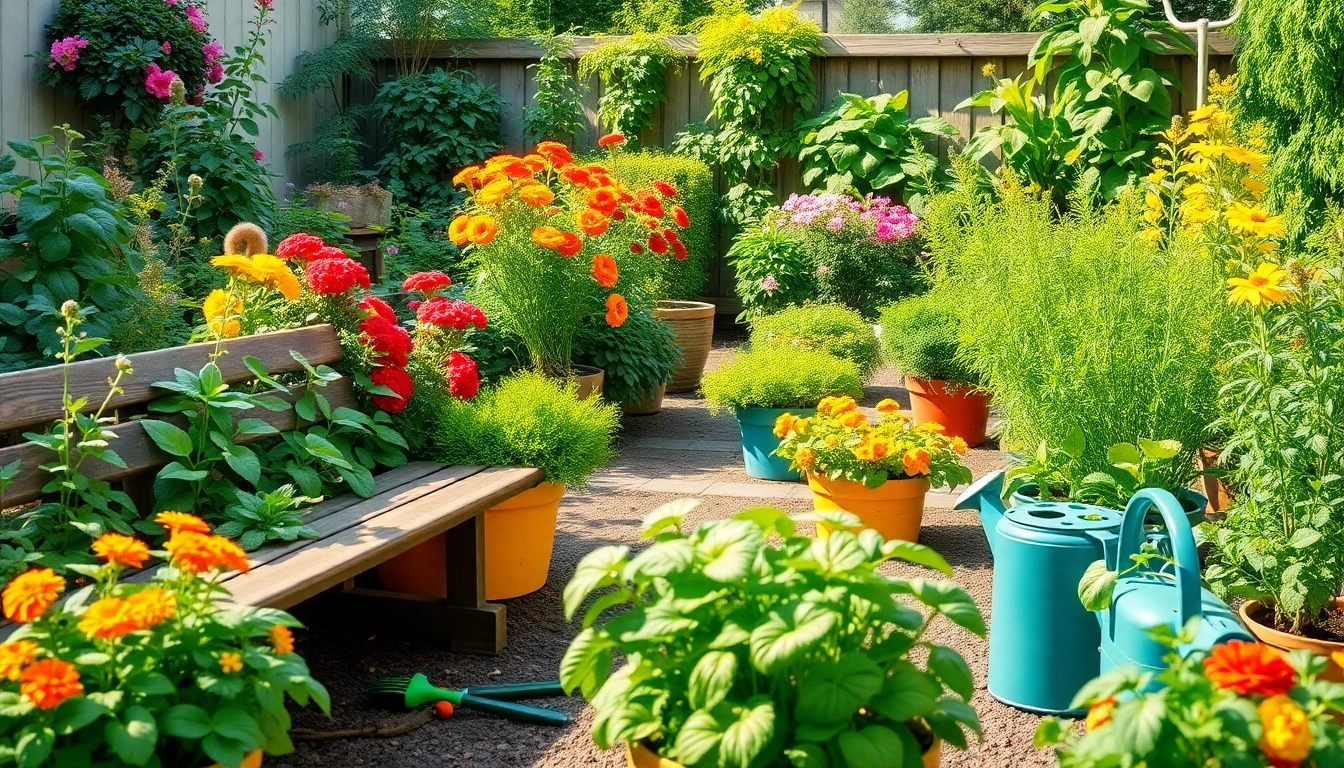
Gardening is not merely a hobby; it’s an art form, a science, and in many cases, a way to reconnect with nature in an increasingly digital world. If you’ve ever walked through a vibrant garden, you understand the power of nurturing plants and the beauty they bring to our lives. Whether you’re looking to grow fresh vegetables, stunning flowers, or create a beautiful landscape, the principles of Gardening remain constant. This guide will walk you through foundational concepts, advanced techniques, and practical steps to ensure your gardening experience is not only fruitful but also fulfilling.
Understanding Soil Types and Amendments
The foundation of any successful garden is soil. Understanding the different types of soil can vastly improve your plant’s growth. Generally, soils fall into three categories: sand, silt, and clay. Sandy soils drain quickly and can be remedied with organic matter to retain moisture. Clay soils, on the other hand, retain water but may become compacted, hindering root development. Silt lies in between, with good nutrient retention but can also cause poor drainage.
To optimize your garden, consider soil amendments. Adding compost, aged manure, or peat moss can enhance nutrient levels and improve soil structure. A soil test is essential to determine pH levels and nutrient deficiencies, guiding you on the ideal amendments needed for your specific garden goals. Incorporating organic matter introduces beneficial microorganisms that promote a healthy growing environment.
Choosing the Right Plants for Your Space
When selecting plants for your gardening space, consider both the climatic conditions and the specific requirements of the plants themselves. Factors like sunlight exposure, temperature, and local wildlife can significantly impact your choices. Native plants are often a great place to start due to their adaptation to local environmental conditions.
For vegetable gardens, determine the growing seasons and choose plants accordingly. Cool-season crops like spinach and broccoli thrive in spring and fall, while warm-season crops such as tomatoes and peppers flourish in the summer. It’s beneficial to group plants with similar water and sunlight needs to facilitate care and maintenance.
Watering Techniques for Healthy Growth
Watering is an art with science backing it. Overwatering can be as damaging as underwatering. There are several effective strategies to ensure your plants receive the right amount of moisture. Early morning watering is recommended, as it gives plants all day to absorb moisture and helps prevent mildew development.
Utilizing drip irrigation or soaker hoses can provide a more efficient water delivery method, minimizing waste and reducing weed growth. Pay attention to the needs of your specific plants; some may flourish with more frequent watering, while others may prefer drying out between rounds. Always consider soil type when determining how much water to apply.
Planning Your Gardening Space
Effective planning can make all the difference between a cluttered garden and one that is strategically designed for both beauty and utility. From layout design to plant selection, the way you plan your garden influences its overall success.
Designing the Layout for Optimal Sunlight
Every garden space has different levels of sunlight exposure throughout the day. Observing how the sun moves across your potential garden area can illuminate which spots receive full sunlight, partial shade, or are almost completely shaded. Many plants need at least 6 to 8 hours of sunlight daily for optimal growth. Placing taller plants on the north side or at the back allows shorter plants to access this essential resource without obstruction.
Consider creating zones in your garden for different needs—like a sunny vegetable patch, a herb garden that benefits from partial shade, and a colorful flower area that attracts pollinators. These layouts can not only enhance visual appeal but also optimize plant health and productivity.
Utilizing Raised Beds for Improved Drainage
Raised beds are a fantastic solution for gardeners concerned with soil drainage or those working with poor earth conditions. By elevating soil, you improve drainage, which is essential in preventing root rot and promoting healthy plant growth. Moreover, raised beds warm up quicker in spring, extending your growing season.
Building a raised bed can be as simple as using untreated wood, bricks, or even stones. Fill the raised bed with a mix of native soil and organic compost to create a rich environment conducive to strong plant growth. These structures also reduce the amount of bending required while caring for plants, providing ergonomic benefits for the gardener.
Container Gardening: A Flexible Approach
If space is a constraint, container gardening can be your answer. It allows you to grow plants virtually anywhere—on balconies, patios, or even indoors near a window. The flexibility of container gardening means you can tailor specific plants to your ideal conditions, adjusting soil type, watering frequency, and sunlight exposure based on the needs of individual plants.
When selecting containers, ensure they have proper drainage holes. Dwarf varieties of plants or those specifically bred for pot culture can thrive in these limited spaces. Furthermore, integrating colorful pots can enhance the aesthetic charm of your gardening area while allowing easy mobility to rearrange plants as needed.
Advanced Gardening Techniques
Beyond the basics, advanced gardening techniques can help you further streamline your efforts and enhance your yield. These strategies often require a deeper understanding of plant interactions, ecosystem management, and innovative growing methods.
Companion Planting for Pest Control
Companion planting is a natural way to bolster your garden’s defenses against pests without the use of chemical pesticides. Certain plants can benefit from one another by repelling insects, enhancing growth, or improving flavor profiles. For instance, planting marigolds alongside vegetables can help deter harmful nematodes.
Another popular combination is tomatoes and basil, where basil helps enhance the flavor and growth of tomatoes while deterring certain pests. Researching beneficial plant pairings can lead you to create a more balanced, self-sustaining ecosystem within your gardening space.
Permaculture Principles for Sustainable Gardening
Permaculture takes a holistic approach to gardening and agricultural practices. This philosophy aims to create a self-sustaining landscape that mimics natural ecosystems. Key principles include observing and interacting with the environment, capturing and storing energy, and applying self-regulating mechanisms.
Incorporating permaculture principles could involve layering plants based on their growth habits, using cover crops to enrich soil quality, or creating water retention systems that promote moisture conservation. As a gardener, embracing these concepts not only aids in yielding a productive garden but also contributes positively to environmental health.
Hydroponics: Soil-less Gardening Explained
Hydroponics represents a revolutionary method of gardening. By growing plants in a nutrient-rich water solution, you can bypass traditional soil dynamics and cultivate plants with precision. This method reduces space requirements and can yield faster growth rates compared to conventional gardening.
Implementing a hydroponic system does require an upfront investment in equipment and setup to monitor nutrient levels and pH, but the results can be incredibly rewarding. From leafy greens to flowering plants, hydroponics is an innovative solution for urban gardeners or those with limited outdoor space.
Maintaining Your Garden Throughout the Seasons
To ensure your garden continues to flourish, maintenance is key. Seasonal tasks vary widely, and understanding what to do and when can greatly impact your success.
Seasonal Chores: What to Do and When
Spring is often viewed as the prime planting season. This is when soil preparation, planting seeds, and applying fertilizers should become your focus. Meanwhile, summer maintenance involves regular watering, disease prevention, and pest management. Autumn shifts your attention to the harvest and preparing your garden for dormancy, and winter offers a time for planning the next year’s garden while protecting perennials and perennial roots from harsh conditions.
By keeping a seasonal gardening calendar, you can streamline tasks and ensure your plants always receive the care they need at the right times. Engaging in companion activities like composting and sharing plants with neighbors can enrich the gardening community while assisting your garden even during the most demanding seasons.
Organic Pest Management Strategies
Managing pests organically requires vigilance and a proactive mindset. Integrated Pest Management (IPM) combines cultural, biological, and mechanical strategies to keep your plants healthy while minimizing chemical inputs. This can include crop rotation, introducing beneficial insects, or using organic pesticides derived from natural sources.
Regularly inspecting plants for early signs of pest issues allows for swift, strategic responses before infestations become severe. Maintaining a healthy ecosystem within your garden can set a natural balance where beneficial insects help keep harmful pests at bay.
Preparing Your Garden for Winter
Winter preparation is critical, especially in regions where temperatures drop significantly. Clearing away any dead plant material reduces the risk of disease in warmer months.
Additionally, mulching can help trap moisture and insulate roots, while certain plants may be covered to protect them from freezing temperatures. Some gardeners choose to plant cover crops to enrich soil quality and prevent erosion during cold months, ultimately providing nutrient stability for springs to come.
Winter is also an excellent time to reflect on what worked and what didn’t during the growing seasons. Taking notes or keeping a garden journal can provide invaluable insights for future planting and maintenance strategies.
Harvesting and Beyond
As all hard work culminates in the harvest, knowing when and how to reap your rewards ensures that you maximize your yield and enjoy the freshest produce possible.
When and How to Harvest Your Crops
Timeliness plays a significant role in harvesting. Each crop has its optimal harvest period, usually indicated by color changes, firm texture, or specific size guidelines. Tomatoes should be picked at peak color for the best flavor while vegetables like carrots can be harvested when they reach the desired diameter.
Utilizing proper tools for harvesting can make the process efficient while minimizing damage to plants. Tools such as pruners or harvest knives should be sharp and clean to ensure smooth cuts.
Preserving Your Harvest: Techniques and Tips
Upon harvesting, a host of preservation methods exists to extend the enjoyment of your produce well beyond the growing season. Canning, freezing, and dehydrating are popular techniques to preserve fruits and vegetables. Each method has its unique steps, with canning requiring sterilization and precise heat processes, while freezing typically involves blanched produce to retain quality.
In addition to traditional preservation methods, creating jams, pickles, and sauces can transform excess harvest into delightful culinary products that can be enjoyed later. You can even explore fermenting as a method to create new flavors while boosting the nutritional content of the food.
Community Involvement in Gardening Initiatives
Gardening can also serve as a powerful tool for community engagement, bringing individuals together and fostering connections. Many neighborhoods develop community gardens to share resources and knowledge while beautifully greening their surroundings.
Participating in local gardening clubs or online forums provides avenues to learn from experienced gardeners and share your own experiences. Engaging in initiatives focused on sustainability or local food production can enhance not only your gardening skills but also strengthen community ties.
In conclusion, gardening represents more than merely growing plants; it’s an enduring journey of learning, community, and sustainability. Embracing both foundational knowledge and advanced practices equips gardeners with the tools they need to nurture their green spaces successfully. No matter your gardening goals, the methods and strategies outlined here can help shape a thriving and vibrant garden.