Understanding the Basics of Gardening
Gardening is not just a hobby; it’s a way to connect with nature, invigorate your space, and produce life-sustaining plants. Whether you’re cultivating a lush vegetable patch, a colorful flowerbed, or nurturing indoor plants, the art of gardening offers endless possibilities. Before you dig in, it’s essential to understand the fundamentals of Gardening, tailored to your skills and environment.
What Is Gardening?
Gardening entails cultivating and maintaining plants, be it for aesthetic pleasure, edible produce, or both. It is rooted in the necessity of food production while also stemming from the innate human desire to beautify our surroundings. Gardens can range in complexity from small balcony containers to expansive agricultural fields, each requiring specific knowledge, techniques, and passion.
Choosing the Right Plants for Your Climate
Selecting the right plants is vital for successful gardening. Each plant species thrives under certain conditions, which can vary significantly based on your geographical location. Here are key factors to consider:
- USDA Hardiness Zone: This zone maps the climatic conditions of regions, dictating which plants can survive the winter in your area.
- Soil Type: Understanding your soil’s pH and texture helps you choose plants that will flourish.
- Sunlight Exposure: Different plants require varying amounts of sunlight. Assess the sun patterns in your garden space before planting.
Essential Tools for Every Gardener
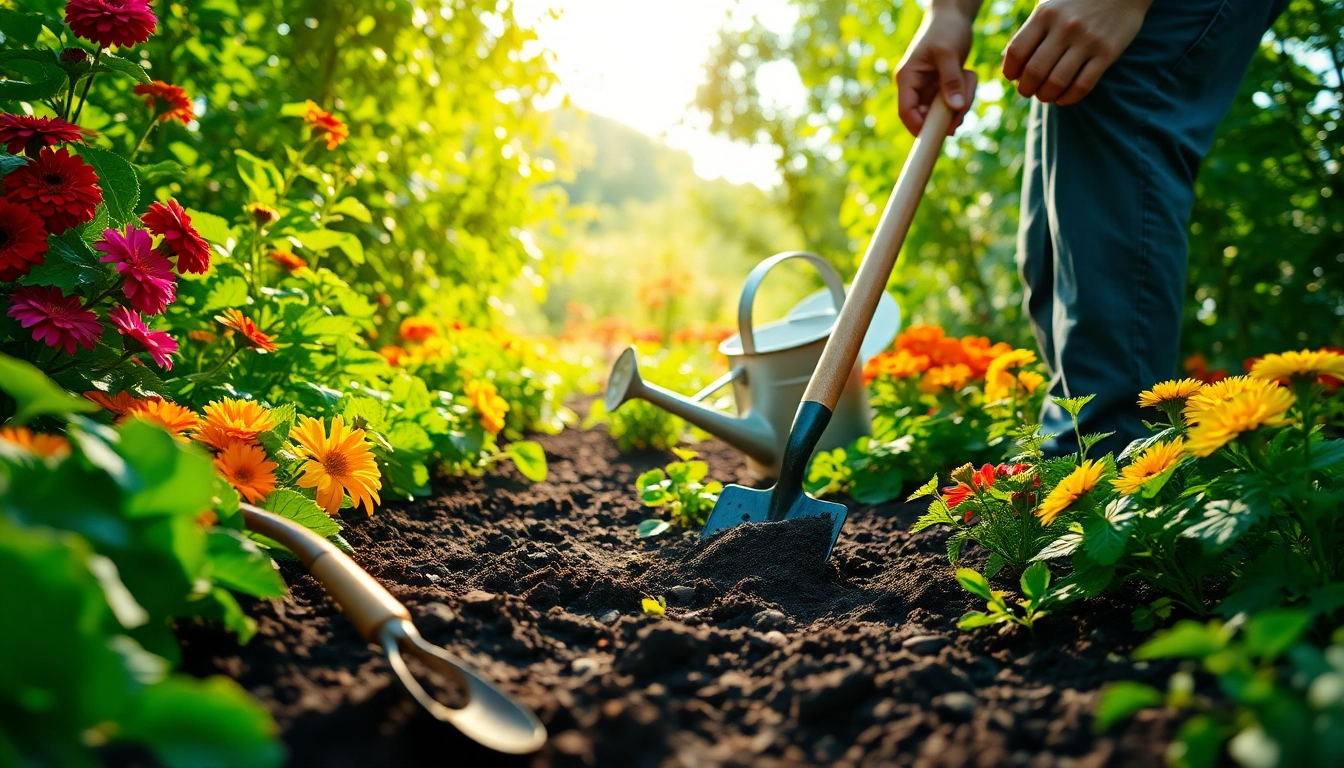
Equipping yourself with the right tools can make a significant difference in gardening success. Some essential tools include:
- Hand Trowel: Perfect for digging holes, planting, and transplanting.
- Pruning Shears: Vital for maintaining plant health by shaping and trimming.
- Garden Fork: Excellent for loosening soil and aerating it.
- Watering Can and Hose: Essential for keeping plants hydrated.
- Gloves: Protect your hands while you work.
Preparing Your Garden Site for Planting
Preparation is a crucial step in gardening that lays the foundation for plant health and productivity. The following steps will guide you:
Soil Testing and Preparation Methods
Quality soil is the cornerstone of a thriving garden. Conduct soil testing to understand its composition, pH, and nutrient levels. Based on the test results, you may need to:
- Add Organic Matter: Enrich the soil with compost or well-rotted manure to improve fertility.
- Adjust pH: Use lime to raise pH or sulfur to lower it, ensuring optimal nutrient uptake.
- Improve Drainage: If your soil retains too much water, consider adding sand or creating raised beds.
Sunlight and Water Requirements
Assess the sunlight your garden receives throughout the day as different plants have varying light needs. Furthermore, an adequate watering plan is essential. You can:
- Opt for Drip Irrigation: This method conserves water and delivers moisture directly to plant roots.
- Mulch: Apply organic mulch to retain soil moisture and suppress weeds.
Creating Effective Garden Layouts
Effective garden layouts not only maximize space but also improve access to sunlight and water. Consider these designs:
- Raised Beds: Great for improving drainage and controlling soil quality.
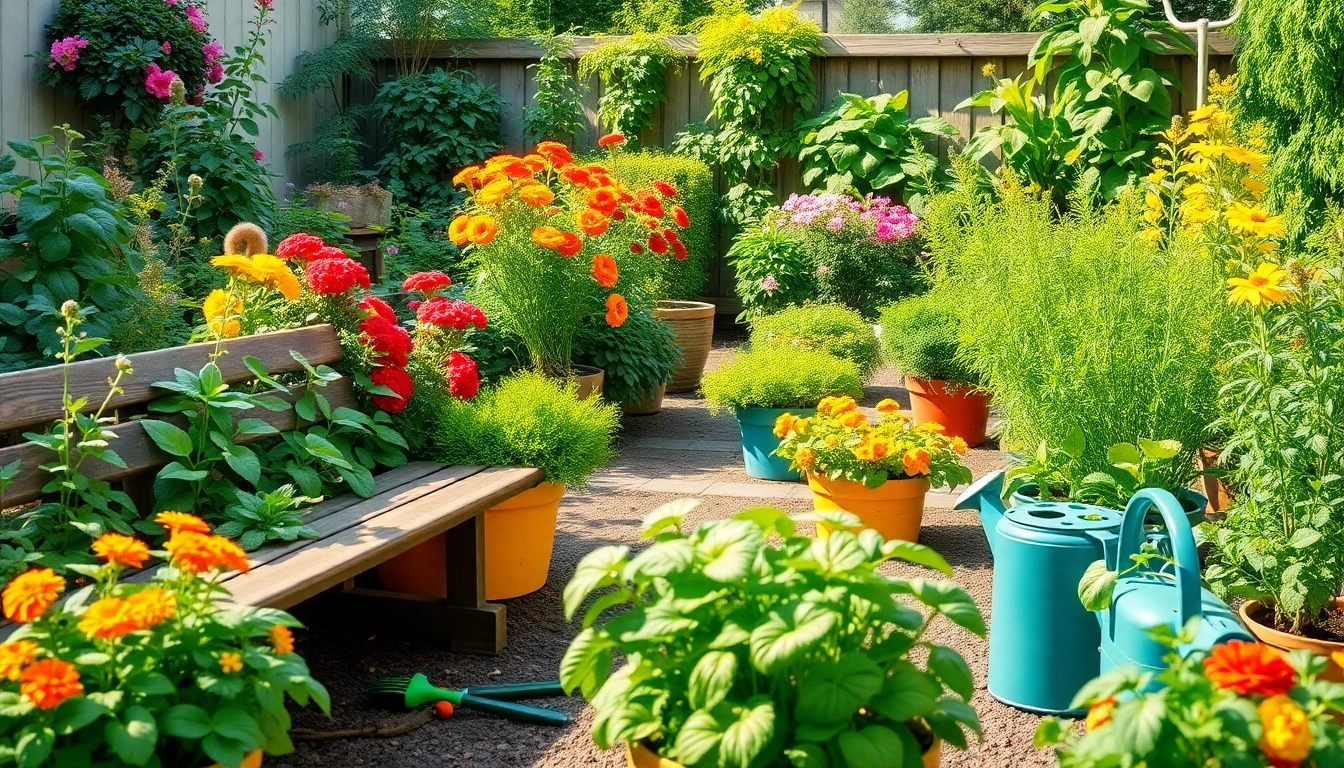
- Container Gardening: Ideal for small spaces and for mobility needs.
- Row Planting: Facilitates easy access for maintenance and harvesting.
Planting and Growing Techniques
Once your site is prepared, it’s time to delve into planting and growing techniques to ensure your plants thrive.
Seed Starting vs. Transplanting
Understanding the difference between starting plants from seeds and transplanting can help optimize your gardening efforts:
- Seed Starting: Allows for greater variety and can be more economical, but requires adequate space and time.
- Transplanting: Offers established plants and a faster harvest but often comes at a higher cost.
Watering and Fertilization Strategies
Effective watering and well-timed fertilization contribute to healthy plant growth. Keep in mind:
- Water Deeply: Encourage deep root growth by watering less frequently but with more volume.
- Organic Fertilizers: Use compost, manure, or other organic options to enrich soil naturally.
Organic Gardening Practices
Embracing organic gardening benefits both the environment and your health. Key practices include:
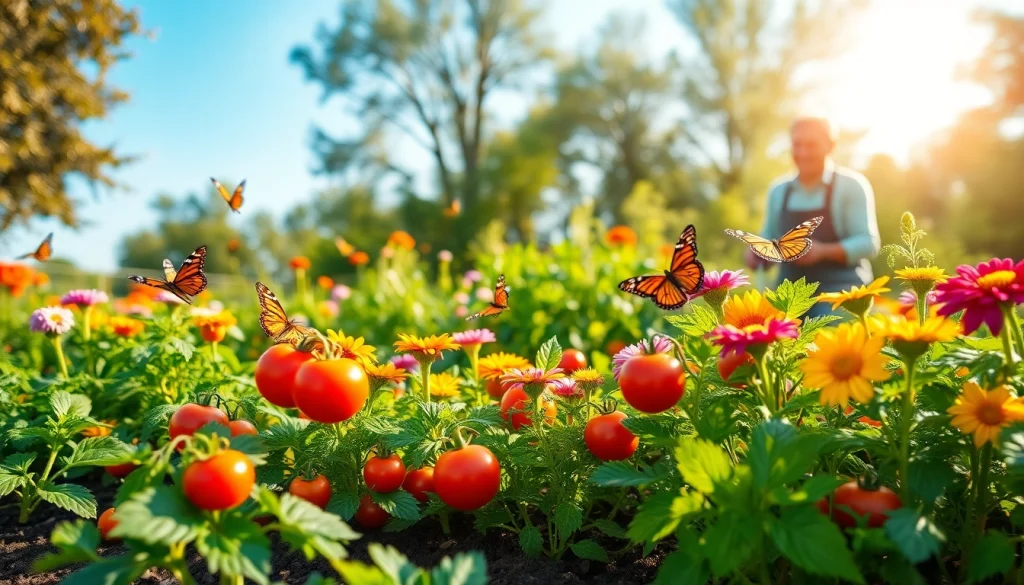
- Plant Diversity: Incorporate a variety of plants to deter pests and enhance the ecosystem.
- Natural Pest Control: Use beneficial insects or natural pesticides to manage pests.
- Cover Cropping: Grow cover crops to enrich soil and prevent erosion during off-seasons.
Common Challenges in Gardening
Every gardener faces challenges; being prepared can mitigate their effects. Here are some common issues and potential solutions:
Pest and Disease Management
Identifying pests and diseases before they wreak havoc on your garden is crucial. Effective management includes:
- Regular Inspections: Monitor plants for any signs of trouble.
- Integrated Pest Management (IPM): Combining biological, physical, and chemical tools promotes sustainable pest control.
Dealing with Weather Extremes
Weather can be unpredictable, affecting your gardening efforts. To combat extremes:
- Use Floating Row Covers: Protect young plants from frost or extreme temperatures.
- Windbreaks: Plants or structures can shield tender plants from strong winds.
Improving Soil Health Over Time
Soil health is foundational for a successful garden. To improve it over time, consider:
- Regular Soil Testing: Assess nutrient levels regularly to tailor amendments accordingly.
- Crop Rotation: Prevent nutrient depletion and manage pest populations by rotating crops annually.
- Adding Organic Matter: Continuously incorporate compost or mulch to enhance soil structure.
Harvesting and Beyond: Next Steps in Gardening
After nurturing your plants, the moment of harvest brings a sense of fulfillment. Understanding when and how to harvest is crucial:
When and How to Harvest Your Crops
Harvest times vary for different plants. To reap the best yields:
- Visual and Physical Cues: Monitor for size, color, and ease of detachment before harvesting.
- Harvest Early in the Day: This is when moisture levels are highest, preserving plant freshness.
Best Practices for Garden Maintenance
Consistent maintenance ensures your garden stays healthy and productive. Some best practices include:
- Weeding Regularly: Prevent competition for nutrients and water.
- Regular Watering and Fertilizing: Stay on top of moisture and nutritional needs.
- Seasonal Cleanup: Remove debris and spent plants to prevent disease.
Planning for Next Season’s Gardening
Successful gardening is often about planning ahead. As one season concludes, consider:
- Reflect on this Year: Analyze what worked well and what didn’t.
- Research New Varieties: Explore different plants or techniques to implement for the next year.
- Prepare supplies: Stock up on essential materials early to avoid delays when planting season arrives.