Getting Started with Gardening: Essential Tips for Beginners
Gardening can be a rewarding and enriching experience, whether you’re looking to beautify your living space, grow your own food, or find a new hobby. Before you pick up a trowel or choose seeds, it’s vital to understand the essentials that set the foundation for a thriving garden. This guide explores the critical aspects of gardening for beginners, including a comprehensive understanding of soil types, plant selection, and necessary tools. To gain additional insights, feel free to check out Gardening resources that can offer a wealth of information.
Understanding Soil Types and Their Importance in Gardening
Soil is often deemed the lifeblood of gardening. It provides the essential nutrients that plants require to grow and thrive. However, not all soil is created equal. Understanding the different types of soil can greatly impact the success of your gardening endeavors.
The primary soil types include clay, sandy, silt, loamy, and chalky soils. Here’s a brief overview of each:
- Clay Soil: Heavy and dense, clay soil retains moisture but drains poorly. While it can retain nutrients, it can also become very compact, making it difficult for roots to grow. Amendments, such as compost or gypsum, can help improve its structure.
- Sandy Soil: This soil type drains quickly, preventing water retention, which leads to nutrient leaching. Although it’s easier to work with, sandy soil often requires frequent watering and amendments to help retain nutrients.
- Silt Soil: Fine particles compose this soil, which retains moisture well. It’s fertile yet can become compacted in wet conditions. This soil type is often preferred by experienced gardeners.
- Loamy Soil: A mixture of sand, silt, and clay, loamy soil strikes a balance between drainage and nutrient retention. This is considered the ideal soil type for most gardening activities.
- Chalky Soil: Alkaline and potentially rocky, chalky soil can alter nutrient availability. It often requires soil amendments to enhance growth conditions.
To determine your soil type, you can conduct a simple jar test. Combine soil with water in a clear jar and observe how the sediments settle. This visual breakdown will help you identify your soil’s properties, allowing you to modify it effectively.
Selecting the Right Plants for Your Gardening Space
Choosing the right plants for your garden is pivotal to ensuring its success. Factors to consider include climate, soil type, and available space. Beginners should start with easy-to-grow varieties that are resilient in different conditions.
Some excellent options for beginner gardeners include:
- Herbs: Basil, mint, and chives are not only easy to grow but also enhance your culinary creations.
- Vegetables: Tomatoes, radishes, and lettuce are beginner-friendly and deliver quick rewards within a growing season.
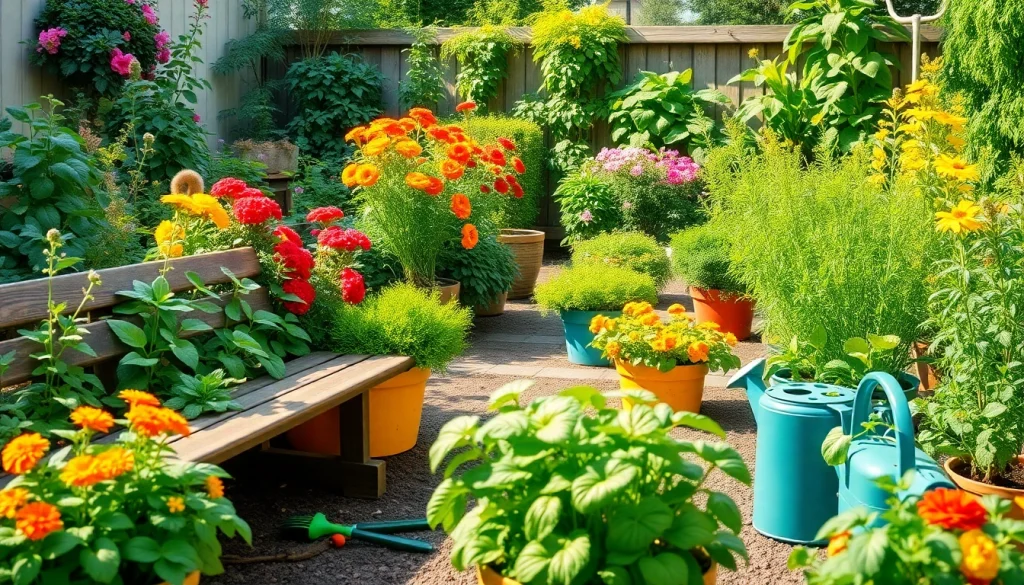
- Flowers: Marigolds, sunflowers, and pansies provide colorful blooms and can attract beneficial pollinators.
- Perennials: Plants like hostas and daylilies come back year after year, making them a low-maintenance choice for long-term beauty.
In addition to your local climate, researching your hardiness zone is essential for determining which plants thrive. Resources are available online to help you identify your zone and select appropriate flora.
Basic Tools Every Gardener Should Have
Having the right tools can make gardening easier and more enjoyable. Here’s a list of essential tools for beginner gardeners:
- Hand Trowel: Perfect for planting, transplanting, and digging small holes.
- Pruning Shears: Useful for trimming excess foliage and shaping plants.
- Garden Fork: Helps in loosening the soil, breaking up hard ground, and aerating.
- Rake: Effective for clearing debris and leveling soil.
- Watering Can or Hose: Essential for watering plants, either through direct pouring or a gentle spray.
- Gardening Gloves: Protect your hands from thorns, chemicals, and dirt while working.
With these foundational tools, you can start your gardening journey on the right foot, paving the way for a fruitful and satisfying experience.
Mastering Plant Care: Watering, Fertilizing, and Beyond
Once you have established your garden, knowing how to care for your plants is critical. Key aspects of plant care include understanding sunlight requirements, proper fertilization, and watering techniques.
The Role of Sunlight in Effective Gardening
Sunlight is the primary energy source for plants, facilitating the process of photosynthesis. Different plants have varying sunlight requirements, ranging from full sun to partial shade. Understanding how much sunlight your garden area receives can guide your planting choices.
To assess sunlight exposure, track how many hours a particular area of your garden gets sunlight daily. Following this assessment, you can categorize plants as follows:
- Full Sun: Requires 6-8 hours of direct sunlight each day.
- Partial Sun/Partial Shade: Thrives in 4-6 hours of sunlight, with some shade during the hottest part of the day.
- Full Shade: Grows well in less than 4 hours of direct sunlight.
Matching plants to their sunlight needs can help ensure strong growth and prevent issues such as wilting or pest invasions.
How to Choose the Right Fertilizer for Your Plants
Fertilizers provide essential nutrients that may not be readily available in the soil. They come in various forms, including granular, liquid, and slow-release types. Understanding the N-P-K ratio—Nitrogen (N), Phosphorous (P), and Potassium (K)—is crucial when selecting fertilizer because different plants require different nutrient ratios to thrive.
For example:
- High Nitrogen Fertilizers: Ideal for promoting leaf and stem growth, this type is great for leafy vegetables like lettuce.
- High Phosphorous Fertilizers: Beneficial for flowering and fruiting plants, such as tomatoes and peppers.
- High Potassium Fertilizers: Stimulates root development and plant health; useful for all types of plants.
Always read the instructions provided with the fertilizer and test your soil to make informed decisions. Over-fertilization can lead to nutrient burn and harm your plants.
Common Watering Mistakes and How to Avoid Them
Watering is one of the most critical elements of gardening, yet many beginners make common mistakes. Here are a few pitfalls to avoid:
- Overwatering: Excess water can lead to root rot. Ensure your pots and garden beds have proper drainage.
- Watering at the Wrong Time: Watering during the hottest part of the day can cause most of it to evaporate. The best times to water are early morning or late afternoon.
- Ignoring Soil Moisture: Always check the moisture level of the soil before watering. Stick your finger in the soil about an inch deep; if it feels dry, it’s time to water.
By mastering watering habits and paying attention to your plants’ needs, you can maintain a healthy garden that flourishes throughout the growing season.
Advanced Gardening Techniques: Elevate Your Skills
As you grow more comfortable with gardening basics, you might want to explore advanced techniques to further enhance your gardening prowess. This section discusses companion planting, vertical gardening, and organic practices to elevate your gardening experience.
Companion Planting: Enhancing Growth and Pest Control
Companion planting involves placing different plants in proximity to each other for mutual benefits. Certain plants can enhance the growth of others, deter pests, and improve overall garden health. Here are some classic pairings:
- Tomatoes and Basil: Basil not only enhances the flavor of tomatoes but also repels pests.
- Carrots and Onions: Onions can deter carrot flies, while carrots can help break up the soil around onion roots.
- Beans and Corn: Beans fix nitrogen in the soil, benefitting corn, while corn provides support for bean vines.
Creating plant associations can optimize space and resources while minimizing complications with pests and diseases.
Vertical Gardening Ideas for Small Spaces
For those with limited space, vertical gardening offers creative solutions to maximize your gardening potential. Vertical gardens utilize walls, trellises, and containers to grow plants upwards rather than outwards. Not only does this save ground space, but it can also create a stunning visual impact.
Key vertical gardening ideas include:
- Trellises: Train climbing plants like peas, beans, or cucumbers to ascend a trellis for space-saving and aesthetic appeal.
- Wall Planters: Use wall-mounted planters to create a living wall full of herbs or flowers.
- Pallet Gardens: Repurposed wooden pallets can serve as beautiful vertical beds for a variety of plants.
Vertical gardening encourages creativity and can transform even the smallest areas into lush green sanctuaries.
Organic Gardening Practices for Healthier Plants
Organic gardening emphasizes natural methods that prioritize the ecosystem’s integrity, using pesticides and fertilizers made from natural ingredients to enhance growth. Some organic best practices include:
- Composting: Creating compost enriches your soil while reducing waste. Compost can improve soil structure and provide necessary nutrients to plants.
- Crop Rotation: Change the location of specific crops each season to disrupt pests and diseases while maintaining soil health.
- Natural Pest Control: Introduce beneficial insects, such as ladybugs or lacewings, to combat harmful pests instead of using chemical pesticides.
Organic practices contribute significantly to your garden’s sustainability and provide healthier options for consumers and the environment.
Seasonal Gardening: Timing Your Plantings for Success
Each season brings unique opportunities and challenges for gardeners. Understanding seasonal cycles helps you plan your gardening activities effectively. Here’s how to prepare for spring, summer, and winter.
Spring Gardening Essentials for a Flourishing Start
Spring is the season of renewal and growth. To ensure your garden flourishes during this time, consider the following steps:
- Prepare the Soil: Clear debris, loosen compacted soil, and amend it with compost or organic matter to enhance fertility.
- Choose Early Varieties: Begin with cool-season crops, such as peas and kale, which can tolerate early spring temperatures.
- Direct Seeding: Sow seeds directly into the soil or start seedlings indoors to transplant later after the threat of frost has passed.
Starting the season with the right preparations positions your garden for vibrancy and productivity.
Preparing Your Gardening Space for Winter
Proper preparation for winter ensures that your garden can endure the colder months. Key tasks include:
- Mulching: Apply a thick layer of mulch to protect plant roots from freezing temperatures while also retaining soil moisture.
- Cutting Back: Trim dead or diseased foliage from perennial plants to promote new growth in spring.
- Soil Testing: Take soil samples in preparation for spring gardening. Knowing your soil’s nutrient content will guide your amendments when spring arrives.
These proactive measures equip your garden to survive winter while preparing for regeneration as the seasons change.
Summer Plant Care: Maintaining Your Garden’s Health
Summer brings heat and potential challenges for plants. During this season, vigilant care is necessary to keep your garden flourishing:
- Regular Watering: Maintain consistent moisture levels, focusing on deeper watering to encourage root growth.
- Weed Control: Implement regular weeding practices to remove competition for nutrients and water.
- Monitoring Pests: Stay vigilant for signs of pests or diseases, addressing issues promptly to prevent spread.
By effectively managing these summer tasks, your garden can continue to produce and thrive throughout the growing season.
Troubleshooting Common Gardening Issues
Problems in gardening can arise, but many can be effectively managed through understanding, observation, and timely intervention. Here’s a guide on how to troubleshoot common gardening issues.
Identifying and Managing Garden Pests Effectively
Pests can be a gardener’s worst nightmare, but identifying them early can mitigate damage. Some common pests include:
- Aphids: These tiny insects feed on plant sap and can reproduce rapidly. Use insecticidal soap or neem oil for control.
- Slug and Snails: They create irregular holes in leaves and thrive in humid conditions. Traps and barriers can help manage their population.
- Caterpillars: The larvae of many insects can defoliate plants. Handpicking or introducing natural predators, such as birds, can be effective.
Regularly inspect your plants and take action as soon as you notice any signs of pest activity.
How to Prevent and Treat Plant Diseases
Plant diseases can be caused by various factors, including fungi, bacteria, and viruses. Prevention is often easier than treatment, so consider these tips:
- Good Air Circulation: Space plants adequately to enhance airflow, reducing humidity levels conducive to disease.
- Proper Watering Techniques: Water at the base of the plants to avoid leaf wetness and reduce the risk of infections.
- Healthy Plants: Provide proper nutrition and care to keep plants robust and resilient to disease.
If disease symptoms appear, prompt treatment is vital. Depending on the nature of the disease, fungicides or other specific treatments can help manage the issue.
Tips for Reviving Dying Plants in Your Garden
Even the most seasoned gardeners face challenges with plants that seem to be dying. Here are actionable steps to revive struggling plants:
- Assess Watering Conditions: Check soil dryness and adjust your watering schedule accordingly. Over or under-watering can cause stress.
- Check for Pests or Disease: Inspect for any visible signs of pests or diseases and treat as needed.
- Provide Adequate Nutrition: Use a balanced fertilizer to encourage recovery, ensuring it aligns with your plant’s needs.
With patience and the right approach, many struggling plants can bounce back, leading to a rich and vibrant garden.