Understanding Gardening Basics
What is Gardening?
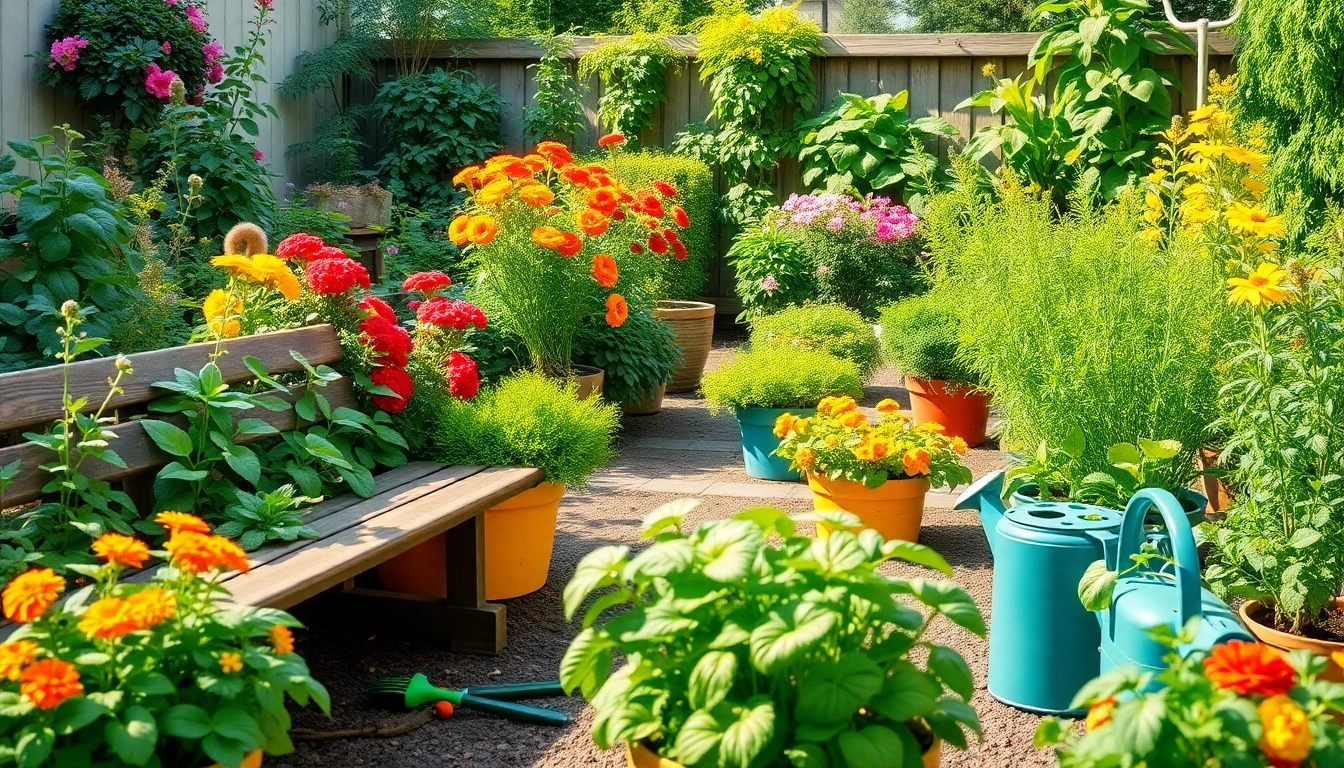
Gardening is a cherished practice that involves cultivating and nurturing plants for a variety of purposes, including food production, aesthetic beauty, and ecological enhancement. It encompasses a wide array of activities from planting flowers to growing vegetables and fruits, and even creating intricate landscape designs. The beauty of Gardening lies in its versatility; it can be practiced in backyard plots, balcony containers, community gardens, or even indoors. The interaction between humans and nature is deepened through the act of gardening, making it a rewarding and therapeutic hobby.
The Importance of Soil Quality in Gardening
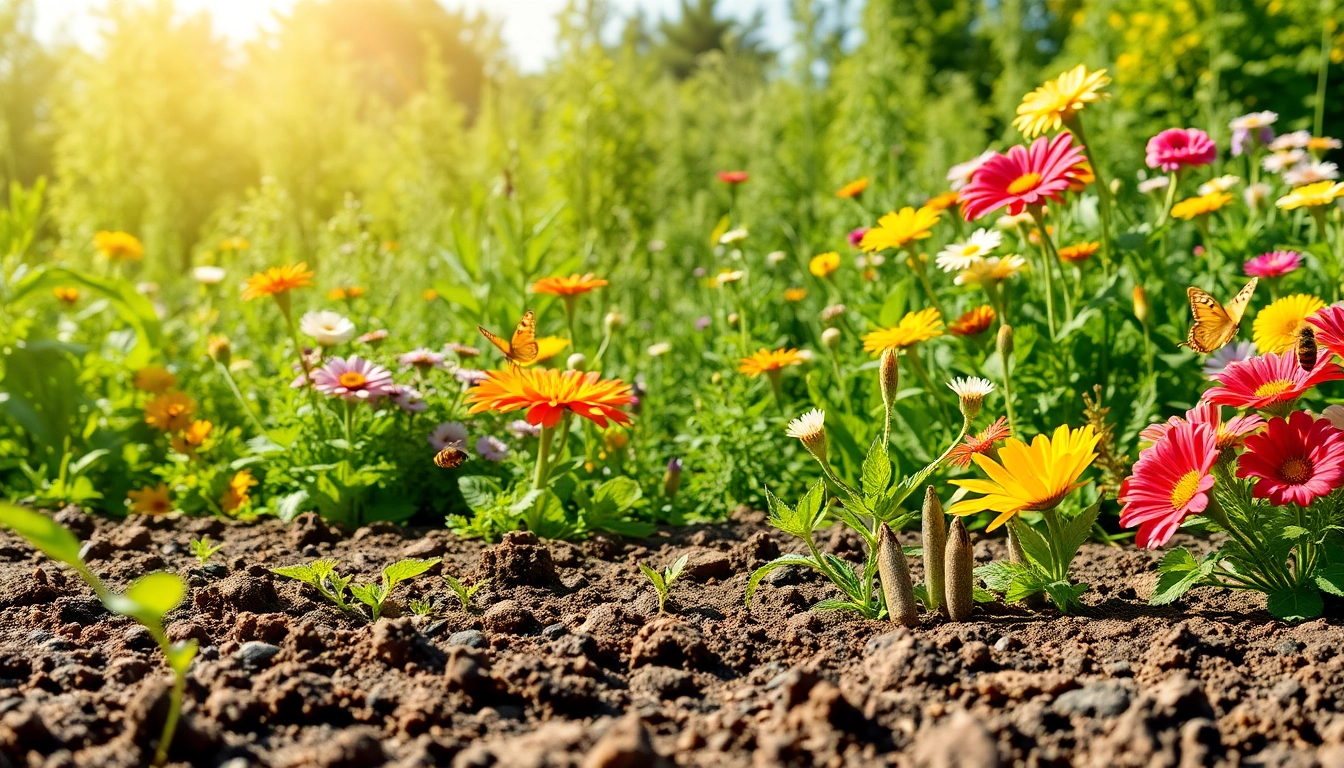
Healthy plants start with healthy soil. Soil quality directly impacts plant growth by affecting nutrient availability, water retention, and root development. There are several components that contribute to soil quality:
- Soil Texture: This refers to the size of the particles in the soil. Sandy soils drain well but may not hold nutrients, while clay soils retain water but can become compacted.
- Soil pH: Most plants thrive in a pH range of 6.0 to 7.0. Testing the pH level can help gardeners understand how to amend their soil to best support plant health.
- Nutrient Content: Essential nutrients like nitrogen, phosphorus, and potassium must be present in adequate amounts. Organic matter can enhance nutrient availability and promote a thriving soil ecosystem.
Incorporating compost and organic fertilizers can significantly enhance soil quality, allowing for a more successful gardening experience.
Choosing the Right Plants for Your Garden
Plant selection is a critical component of gardening success. Factors to consider include climate, soil type, and personal preferences. Here are some key pointers:
- Know Your Zone: Familiarize yourself with your USDA hardiness zone to select plants that can survive in your local climate.
- Sunlight Requirements: Different plants require varying amounts of sunlight. Assess areas of your garden for sun and shade, and choose appropriate plants accordingly.
- Choosing Native Plants: Native species are adapted to local conditions and often require less maintenance and water.
- Compatibility: Consider plant companions that can thrive together, enhancing growth and reducing garden pests.
Essential Gardening Tools and Equipment
Must-Have Tools for Gardening Success
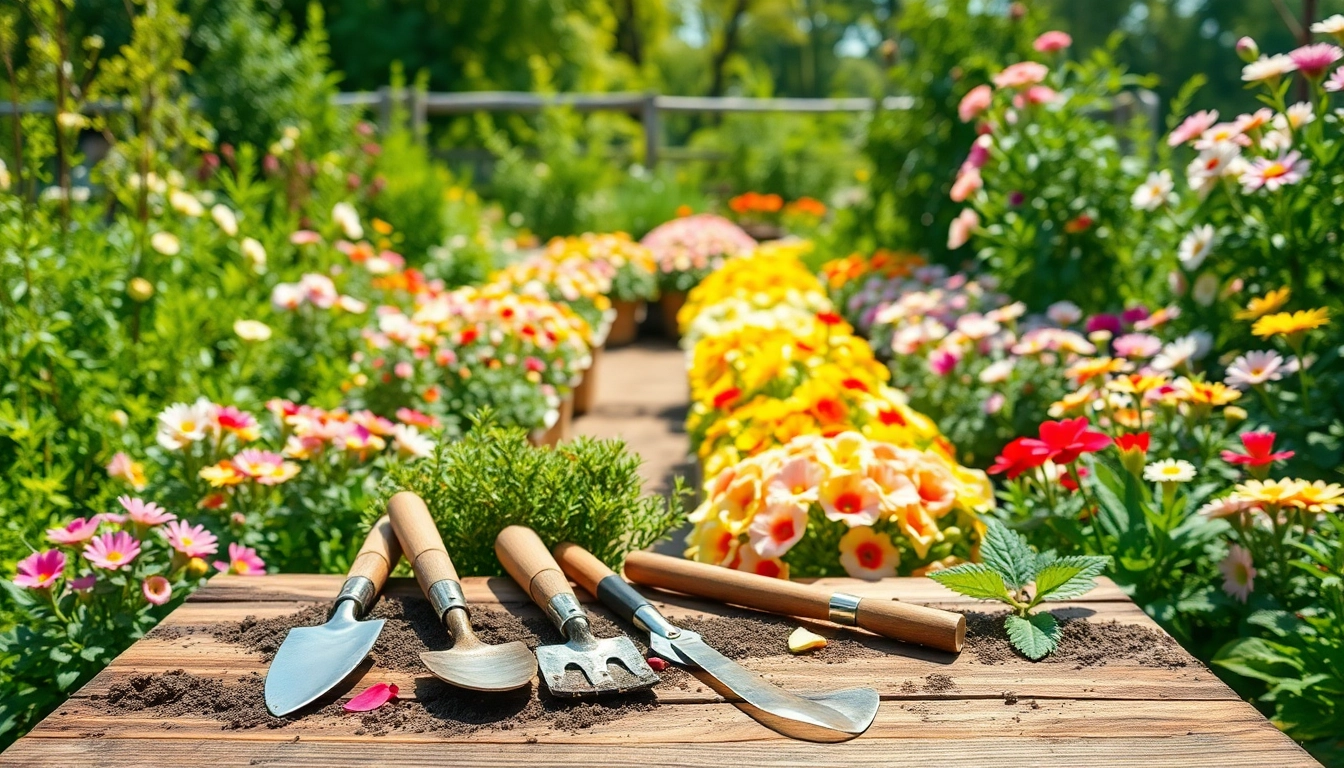
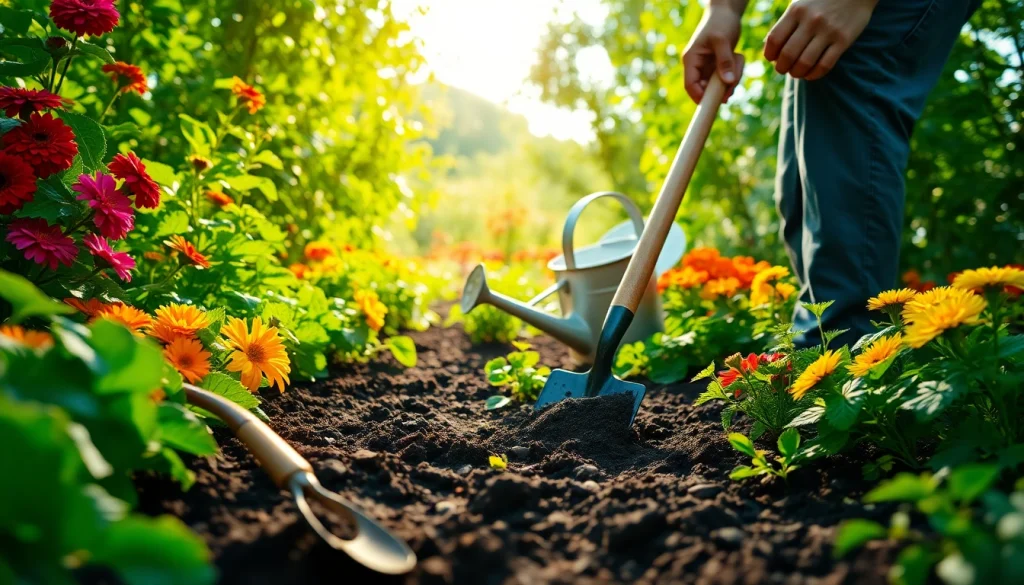
Equipping yourself with the right tools can make gardening significantly easier and more enjoyable. Here are some essential tools every gardener should have:
- Hand Trowel: Perfect for digging small holes, transplanting seedlings, and turning soil.
- Pruning Shears: Useful for trimming plants and removing dead or overgrown branches.
- Garden Fork: Helps in loosening and turning over soil in preparation for planting.
- Watering Can or Hose: Essential for keeping plants hydrated, especially in dry conditions.
- Gloves: Protect your hands from thorns, dirt, and potential irritants while gardening.
Using Technology to Enhance Your Gardening
Advancements in technology have transformed the gardening experience. From apps that help track plant health to smart tools that automate watering, technology can streamline your gardening process:
- Smart Irrigation Systems: Automate watering schedules and conserve water through moisture sensing.
- Garden Planning Apps: Help visualize layouts, schedule planting, and identify plant needs.
- Soil Testing Kits: Provide valuable data on soil health and nutrient needs for optimal growth.
Maintaining Your Gardening Gear
Regular maintenance of gardening tools is essential to ensure longevity and efficiency. Here are some maintenance tips:
- Clean Tools After Use: Remove dirt and debris to prevent rusting and degradation.
- Sharpen Blades: Maintain sharp edges on pruners and hoes for clean cuts that promote plant health.
- Store Properly: Keep tools in a dry and organized space to avoid damage and loss.
Advanced Gardening Techniques
Companion Planting for Better Yields
Companion planting is the practice of growing different plants together to benefit one another. This can enhance growth, increase yields, and minimize pests:
- Complementary Growth: Some plants thrive when grown together, sharing nutrients and water.
- Pest Control: Certain plants can repel harmful insects; for example, marigolds are said to deter nematodes.
- Maximizing Space: Utilize vertical gardening techniques or intercropping to make the most of limited garden space.
Organic Gardening Methods for Healthier Plants
Organic gardening emphasizes the use of natural processes and materials to cultivate plants without synthetic chemicals. Here are key principles:
- Soil Health: Focus on building rich soil using compost and organic fertilizers.
- Diversity: Plant a diverse range of species to create a balanced ecosystem and promote biodiversity.
- Natural Pest Control: Utilize beneficial insects, like ladybugs, and organic pesticides to manage pests responsibly.
Understanding Plant Nutrition and Fertilizers
Fertilizers play a crucial role in supplying essential nutrients to plants. Understanding their components is vital in ensuring optimal growth:
- Nitrogen (N): Promotes leafy growth and overall health.
- Phosphorus (P): Essential for root development and flowering.
- Potassium (K): Aids in water regulation and disease resistance.
Regular soil testing and proper fertilization schedules can help match the nutrient needs of the plants throughout their growing cycles.
Gardening Challenges and Solutions
Common Gardening Problems and How to Solve Them
Gardening comes with its share of challenges, but most issues can be resolved with proper knowledge and strategies. Here are some common problems and their solutions:
- Weeds: Regularly pull weeds by hand or use mulch to suppress their growth.
- Plant Diseases: Identify symptoms early and employ organic treatments or crop rotation to manage diseases.
- Poor Soil Quality: Amend soil structure and nutrients over time through organic matter additions.
Pest Management Strategies for Healthy Gardens
Managing pests without harming the garden ecosystem requires a balanced approach:
- Encourage Beneficial Insects: Create habitats for predatory insects that naturally control pest populations.
- Physical Barriers: Use row covers or nets to protect plants from harmful pests.
- Natural Repellents: Grow plants known to repel pests, like basil, around vulnerable crops.
Weather and Climate Considerations in Gardening
Weather conditions can significantly influence gardening success. Here’s how to adapt:
- Seasonal Planting: Plant according to seasonal conditions; for instance, cool-season crops are best sown in early spring.
- Frost Protection: Use frost cloths or cold frames to safeguard plants during unexpected cold snaps.
- Watering Adjustments: Modify watering practices based on temperature; plants may need more hydration during hot spells.
Growing Your Gardening Skills
Learning from Gardening Communities and Resources
Engagement in gardening communities provides access to a wealth of knowledge and support. Here are ways to get involved:
- Join Local Gardening Clubs: Participate in discussions and share experiences with local gardeners.
- Attend Workshops: Look for classes or demonstrations to enhance specific skills or learn about new techniques.
- Online Forums: Utilize social media platforms and gardening websites to exchange tips and advice.
Experimenting with Unique Gardening Techniques
Innovation in gardening opens doors to unique techniques that can enhance your gardening journey:
- Hydroponics: Grow plants in a nutrient-rich water solution, bypassing traditional soil methods.
- Aeroponics: Suspend plant roots in air and mist them with nutrients, allowing for rapid growth without soil.
- Vertical Gardening: Maximize space by growing plants upwards on structures, which is perfect for small areas.
Measuring Success: Metrics for Gardening Growth
Measuring garden success can be subjective but can involve several metrics:
- Yield Metrics: Track the amount of produce harvested compared to the initial planting.
- Plant Health: Assess health based on vigor, leaf color, and pest resistance.
- Soil Quality Improvements: Monitor changes in soil quality over time with periodic testing.