
Understanding Sustainable Fashion
What is Sustainable Fashion?
Sustainable fashion represents a movement toward creating an eco-friendly fashion industry. At its core, it strives to minimize the environmental impact associated with apparel production, aiming for a more ethical approach that encompasses the entire lifecycle of the garment—from raw material sourcing to end-of-life disposal. This paradigm shift encourages fashion brands to adopt practices that respect human rights, biodiversity, and natural ecosystems. By choosing sustainable fashion, consumers can make informed decisions that align with their values, fostering a more conscientious wardrobe.
The Importance of Sustainability
Sustainability in fashion is critical not only for environmental preservation but also for social responsibility. The traditional fashion industry is notorious for its high carbon footprints, resource depletion, and exploitation of labor. By embracing sustainable principles, the fashion sector can contribute positively to climate change mitigation and social equity. Consumers today are increasingly seeking brands that declare their commitment to ethical practices, influencing purchasing behaviors and prompting companies to evolve.
Sustainable Practices in Fashion
- Eco-Friendly Materials: Utilizing organic and recycled materials significantly reduces the environmental footprint. Cotton, wool, and hemp are popular choices for their renewable characteristics.
- Ethical Production: This entails fair wages, safe working conditions, and respect for workers’ rights, which are foundational to sustainable fashion initiatives.
- Transparency: Brands that are open about their sourcing, production processes, and supply chain instill trust among consumers. Transparency refers to providing details about where and how garments are made.
- Durability and Timeless Design: Creating long-lasting fashion pieces that transcend seasonal trends encourages consumers to buy less frequently, thus promoting a circular economy.
Discovering Unique Knitwear
The Craftsmanship of Knitwear
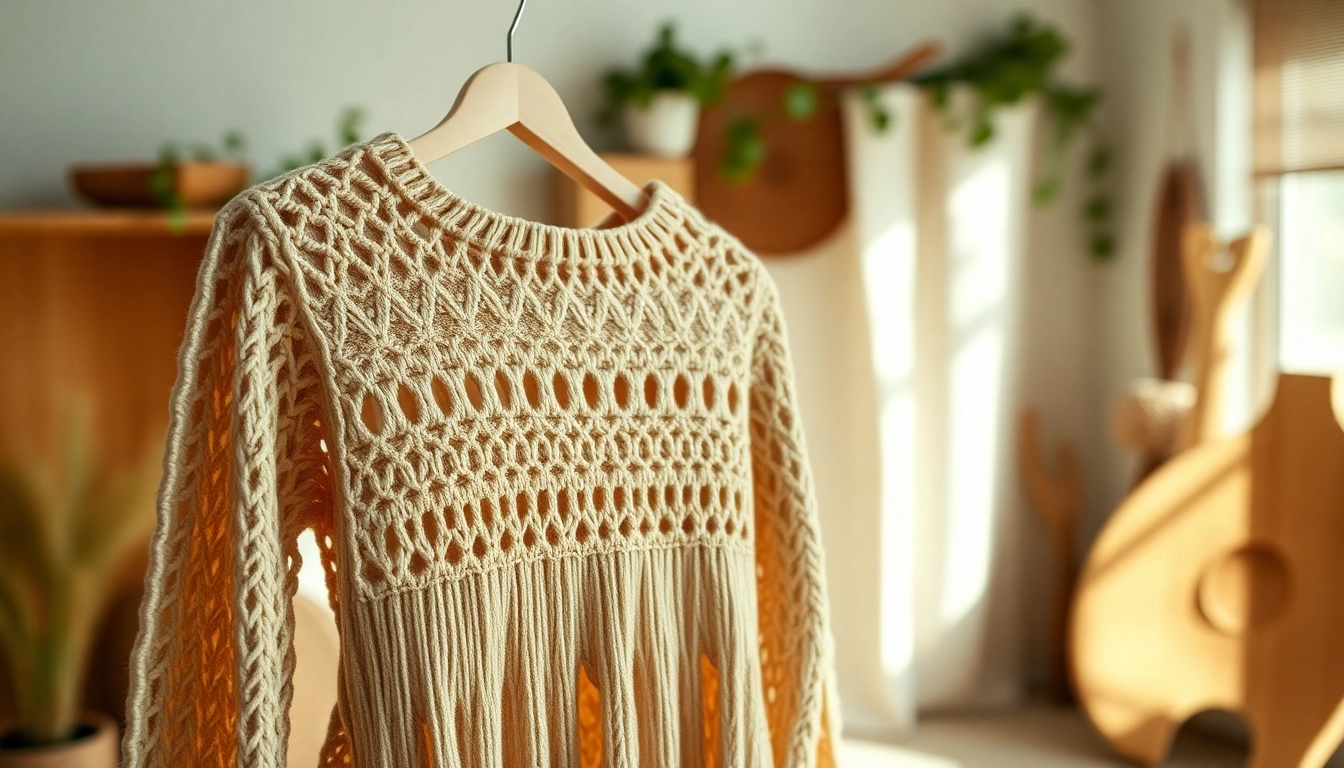
Knitwear embodies a unique blend of tradition and innovation. The craftsmanship involved is not merely a means to create clothing; it’s an art form that allows for personalization and creative expression. Each piece tells a story, often featuring traditional techniques passed down through generations. This craftsmanship ensures that every garment is not only functional but also rich in detail and character. The use of skilled artisans to hand-knit garments not only sustains cultural heritage but also mitigates the automation that dominates fast fashion, leading to monotonous designs.
Featured Styles at https://www.ound-ound.com
The selection at https://www.ound-ound.com showcases an exquisite array of handcrafted knitwear that highlights the artistry involved in sustainable fashion. The styles range from luxurious cardigans to statement jumpers, all made from natural fibers that echo the brand’s commitment to environmental consciousness. Featured pieces include:
- Ibira Dress: A timeless piece that embodies versatility and elegance, made from undyed fabrics.
- Criolllo Jumper: This jumper incorporates traditional knitting techniques, exemplifying comfort and warmth.
- Pato Roller Neck: Perfect for layering, this style merges functionality with chic aesthetics.
Choosing the Right Knitwear for You
Selecting knitwear that resonates with your personal style involves understanding the right fit and fiber content. Natural wool is celebrated for its durability, elasticity, and thermal properties, making it an ideal choice for various weather conditions. When browsing options, consider the following:
- Body Type: Choose styles that complement your proportions. For instance, oversized knits can be flattering and cozy for relaxed fits, while tailored pieces might offer a more polished look.
- Occasion: Different occasions call for varying levels of formality. A hand-knit vest can be ideal for casual outings, while a finely crafted cardigan can elevate your work attire.
- Care Instructions: Understanding the care requirements of your garments will ensure they last longer, maintaining their look and feel.
Natural Fibers vs. Synthetic Materials
The Benefits of Natural Fibers
Natural fibers such as cotton, wool, and linen offer numerous advantages over synthetic materials. They are biodegradable, breathable, and often more comfortable to wear. Additionally, natural fibers tend to have lower environmental impacts in terms of production and disposal. For instance, wool is not only renewable but also has moisture-wicking properties, establishing it as an excellent choice for various climates. Furthermore, they are free from harmful chemicals that are often present in synthetic fabrics, making them a healthier option for both the wearer and the planet.
Common Natural Fibers in Fashion
- Merino Wool: Known for its softness and insulating properties, Merino wool is a popular choice for high-quality knitwear.
- Organic Cotton: Grown without harmful pesticides, organic cotton is not only better for the environment but also benefits the farmers who cultivate it.
- Hemp: Among the most sustainable fabrics, hemp requires minimal water and no chemical fertilizers, making it an environmentally friendly option.
How to Care for Natural Knitwear
Caring for your natural knitwear ensures longevity and preserves the quality of the fabric. Here are essential tips for maintenance:
- Washing: Use cold water and gentle cycles to prevent shrinkage. Avoid harsh detergents, instead opting for mild, eco-friendly alternatives.
- Drying: Air drying is preferable to machine drying; this avoids unnecessary damage and maintains the knit’s shape.
- Storage: Store knitwear folded instead of hanging, which can stretch the fabric. Ensure it is in a cool, dry place to prevent mildew and pests.
Supporting Local Artisans
Connecting with Local Crafts
Supporting local artisans helps preserve traditional crafts and promotes unique, high-quality fashion. Many artisans engage in small-scale production, which often leads to distinctive designs that reflect cultural heritage and craftsmanship. By integrating artisan products into their offerings, brands create value that resonates on both a local and global scale, fostering community ties and showcasing unique artistic expressions.
The Impact of Supporting Artisans
Purchasing from local artisans supports local economies and creates sustainable livelihoods. When consumers invest in artisan goods, they contribute to a system that prioritizes craftsmanship over mass production, ensuring that community members can thrive from their work. Moreover, shoppers gain access to unique products imbued with meaning and craftsmanship that mass-produced items simply cannot replicate.
Finding Artisanal Fashion Brands
Identifying reputable artisanal fashion brands can be accomplished through a combination of online research, social media exploration, and community events like local craft fairs. Look for brands that emphasize their commitment to artisanal practices and transparency, providing insights into their production processes and the artisans they support. Joining ethical consumer networks or forums can also aid in discovering new artisans dedicated to sustainable practices.
Building a Sustainable Wardrobe
Identifying Sustainable Brands
When building a sustainable wardrobe, identifying brands that prioritize ethical practices is essential. Look for certifications such as Fair Trade, GOTS (Global Organic Textile Standard), or OEKO-TEX, which indicates environmentally friendly production practices. Additionally, consider brands’ philosophies around sustainability and their specific contributions to social and environmental issues, helping you make informed choices in your fashion purchases.
Tips for a Sustainable Closet
- Invest in Quality: Prioritize durable, timeless pieces over trendy items that may quickly fall out of style.
- Limit Fast Fashion: Reduce purchases from fast fashion brands that promote high turnover and low-quality garments. Instead, choose pieces that are part of a longer-lasting collection.
- Mix and Match: Create versatile outfits by pairing essential staples with unique handcrafted items, allowing for creative styling while minimizing excess.
Listening to Your Wardrobe’s Needs
A sustainable wardrobe is not merely about choosing the right pieces but about understanding your personal style and lifestyle needs. Regularly assess your collection: what’s working? What’s lacking? By doing so, you can declutter responsibly, either donating unused items or finding local artisans who might repurpose them. This self-awareness aids in making purchases that genuinely serve your aesthetic, ensuring that each piece contributes positively to your wardrobe.
