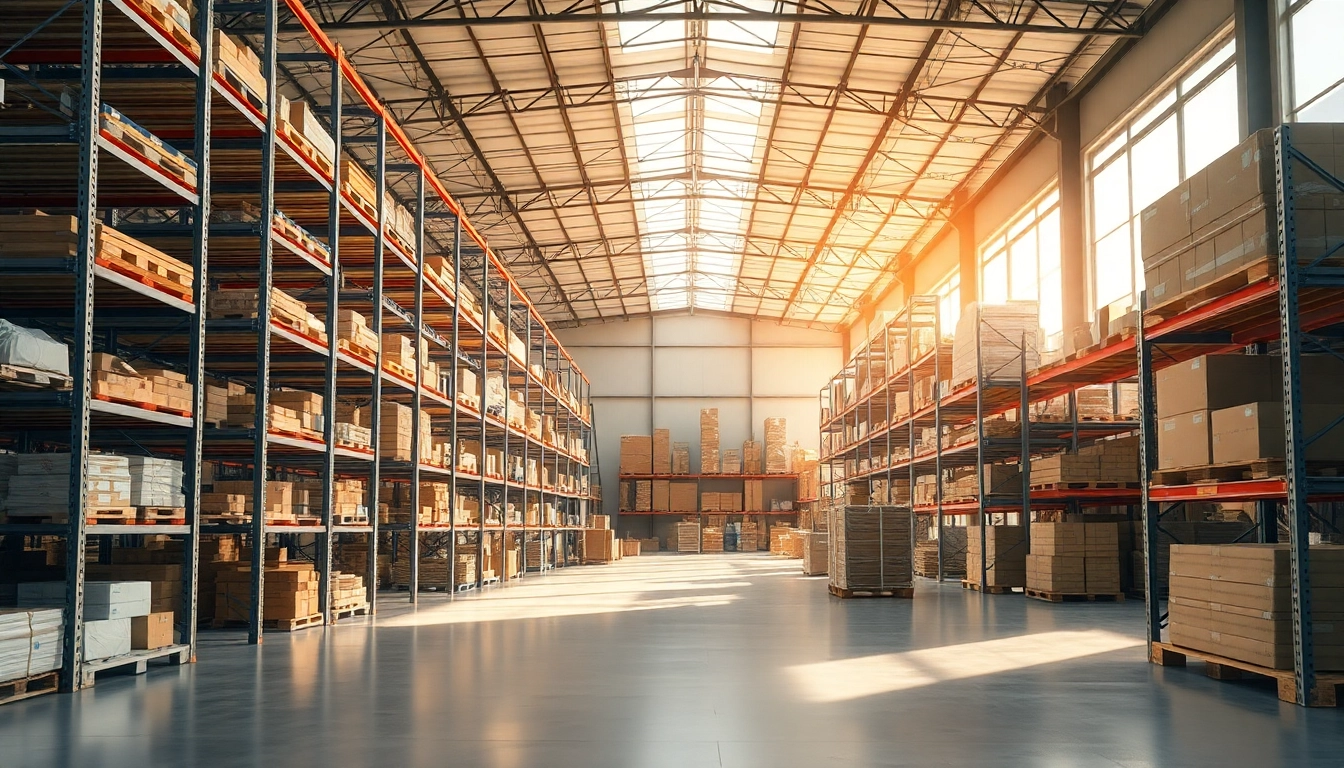
Understanding Warehouse Types and Their Functions
Different Types of Warehouses
Warehouses are versatile facilities that serve various purposes across the supply chain. To optimize logistics and storage, it’s important to understand the different types of warehouses available. Here are some key categories:
- Public Warehouses: These are open to businesses that require storage on a short or long-term basis. They offer flexible rental terms and are ideal for small to medium-sized companies.
- Private Warehouses: Owned and managed by a company, private warehouses are used for its products and typically require a significant capital investment.
- Distribution Centers: Focused on the rapid movement of goods rather than long-term storage, distribution centers are the backbone of many supply chains. They facilitate quick shipment to retailers or customers.
- Climate-Controlled Warehouses: These facilities maintain temperature and humidity levels ideal for sensitive products, such as food, pharmaceuticals, and electronics.
- Automated Warehouses: Utilizing robotic systems for storage and retrieval, automated warehouses increase efficiency and reduce labor costs significantly.
Common Functions of Warehouses
Beyond simply storing goods, warehouses perform various functions critical to supply chain efficiency:
- Storage: The primary function, providing a safe location for goods until they are needed.
- Inventory Management: Warehouses help businesses track inventory levels to prevent shortages or overstocking.
- Order Fulfillment: Facilitating the picking, packing, and shipping of orders to customers.
- Cross-Docking: A method where products from suppliers are directly loaded onto outbound trucks with minimal handling, streamlining the shipping process.
- Value-Added Services: Many warehouses offer additional services like labeling, assembly, and packaging to enhance operational efficiency.
Choosing the Right Type for Your Needs
Determining the best warehouse type for your business depends on various factors including the nature of your products, volume of goods, and logistical needs. Assessing your specific requirements can help you leverage the right warehouse solution to optimize your operations.
Benefits of Utilizing a Warehouse Near Me
Cost-Efficiency for Local Businesses
Locating a warehouse near me can lead to significant savings. Local warehouses can lower transportation costs and reduce delivery times, providing a competitive advantage for businesses that rely on speed and flexibility.
Enhanced Supply Chain Management
Using nearby warehouses improves supply chain efficiency. With shorter distances to cover, businesses can respond quickly to market changes and customer demands, leading to better inventory turnover.
Immediate Access and Convenience
A warehouse close to your operational hub allows for more convenient access to inventory, making it easier to manage stock levels and expedite fulfillment processes. This proximity can be especially beneficial for businesses dealing with perishable goods or seasonal items.
Selecting the Ideal Warehouse Location
Importance of Proximity to Suppliers and Customers
Proximity to key suppliers and target customers is paramount in warehouse selection. This strategic positioning can enhance communication, foster collaborative relationships, and streamline the entire supply chain.
Assessing Traffic and Accessibility
The ease with which goods can be moved to and from your warehouse can impact operational efficiency. Ensuring good road access, proximity to major transport links, and favorable traffic conditions are crucial elements in your location assessment.
Evaluating Area Safety and Regulations
Safety standards and local regulations can significantly affect warehouse operations. Investigating the compliance requirements of prospective locations can prevent costly legal issues and ensure a safe working environment for employees.
Evaluating Warehouse Services and Features
Essential Services Offered by Warehouses
When selecting a warehouse, consider the range of services provided. Essential offerings may include:
- Loading and unloading services
- Inventory tracking technology
- Packing and crating services
- Logistics support for shipping and return processes
Technological Innovations in Warehousing
Modern warehouses are increasingly adopting technology to enhance operations. From warehouse management systems (WMS) to real-time tracking and automated inventory management, these innovations can significantly improve efficiency and accuracy.
Choosing Services that Match Your Needs
Selecting a warehouse involves evaluating whether its services align with your business requirements. Tailored services can contribute to enhanced operational effectiveness, ensuring that your logistics support matches the specific demands of your business model.
Tips for Successfully Renting or Leasing a Warehouse
Understanding Lease Terms and Conditions
Before committing to a warehouse lease, it is vital to thoroughly understand the terms. Key factors to review include lease duration, rent escalations, maintenance responsibilities, and other provisions that could affect your long-term costs and operational capability.
Negotiation Strategies for the Best Deal
Negotiating a favorable lease requires research and preparation. Understanding comparable rates in the market, determining your budget constraints, and clearly communicating your needs can strengthen your position and lead to better lease terms.
Essential Inspections and Checklist Before Signing
Prior to entering into a lease agreement, conducting a thorough inspection of the warehouse is essential. Check for structural integrity, access points, security features, and compliance with local codes and safety regulations. Having a comprehensive checklist ensures that no detail is overlooked.